Collective rage
*
Collective rage *
Social anger, collective resistance and the weight of history
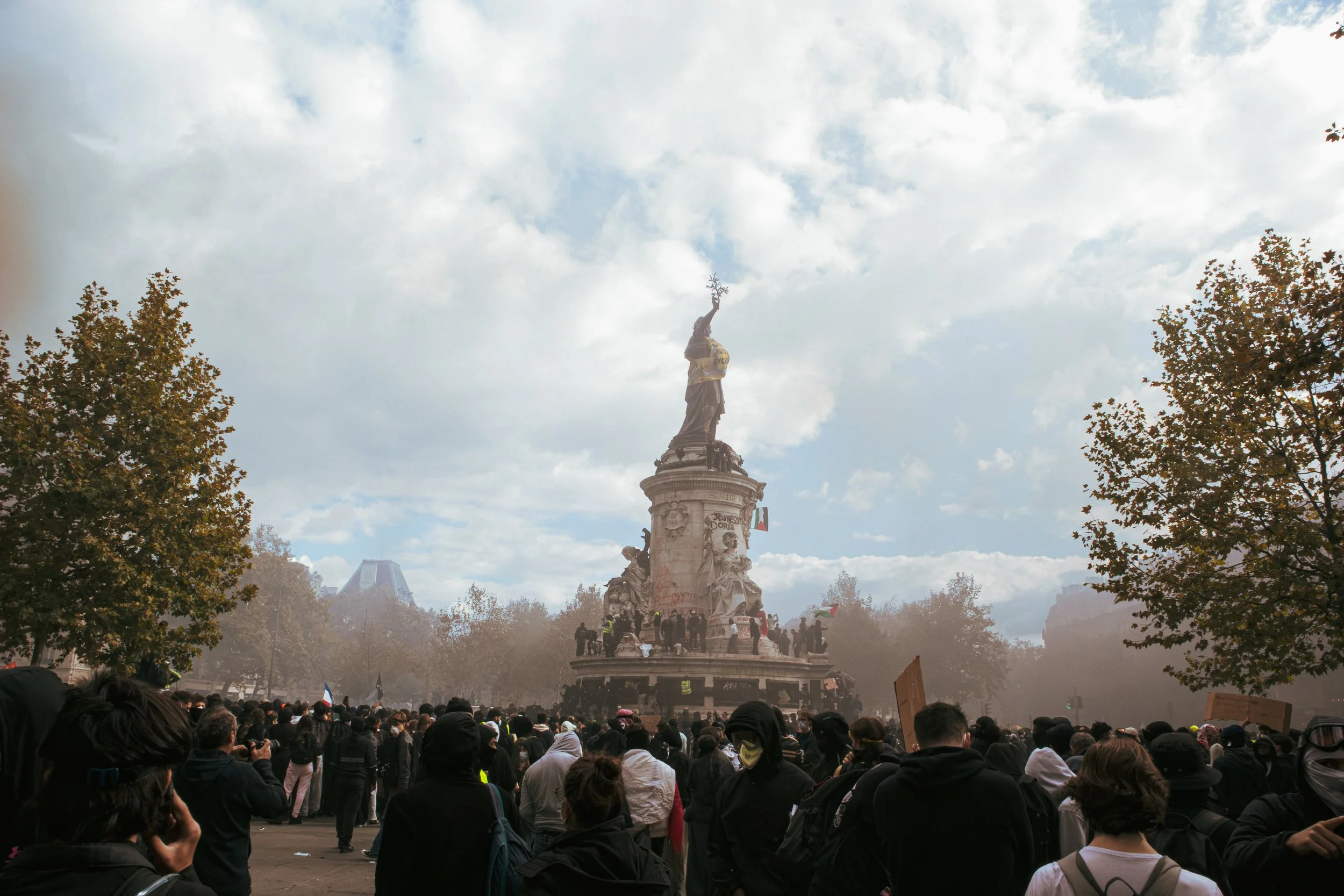
On October 17, 2026, hundreds of thousands of people demonstrated across France against the rising cost of living, declining public services and growing social inequalities. The Ministry of the Interior counted 550,000 demonstrators nationwide, including 110,000 in Paris, while organisers estimated the national turnout at 800,000.
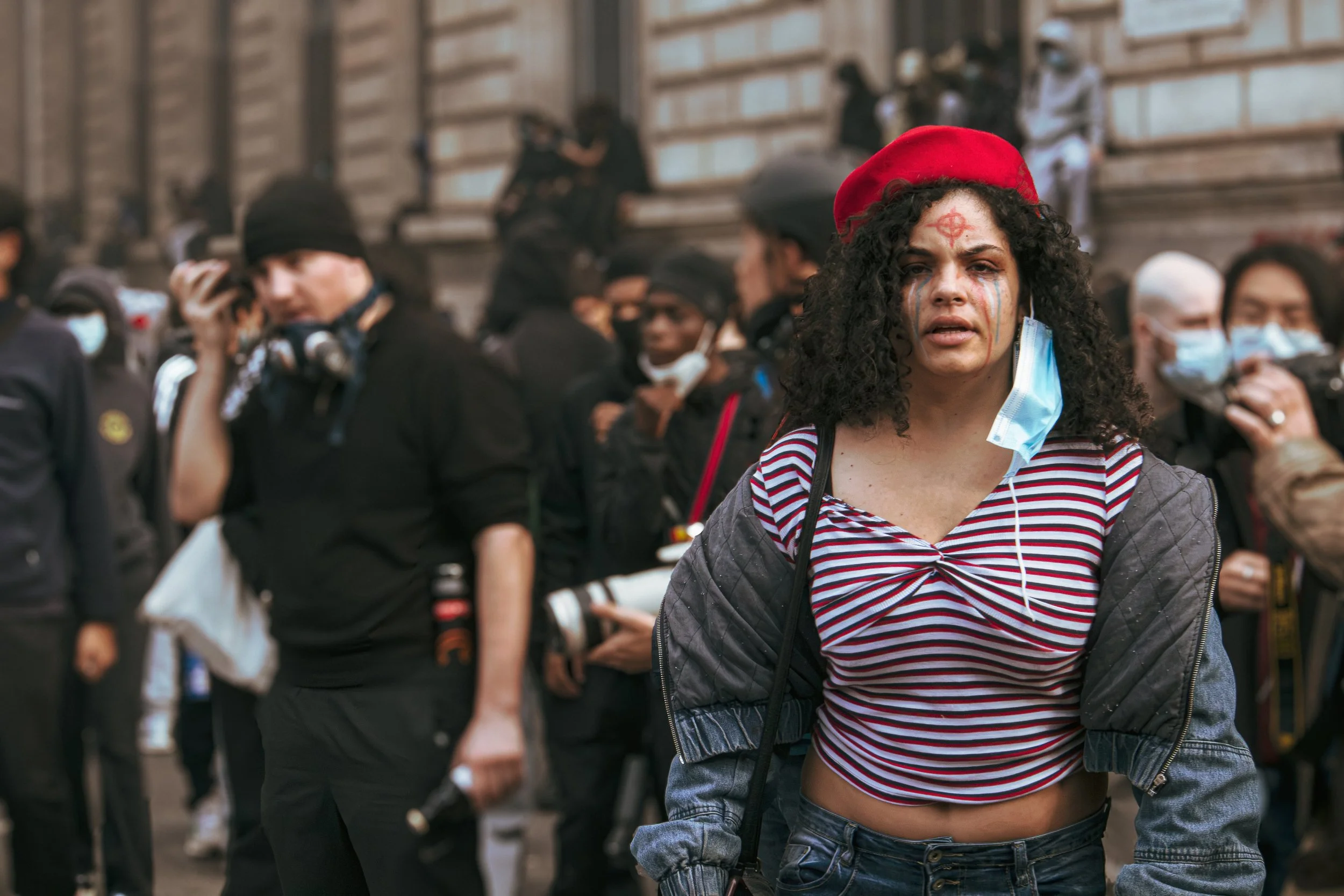
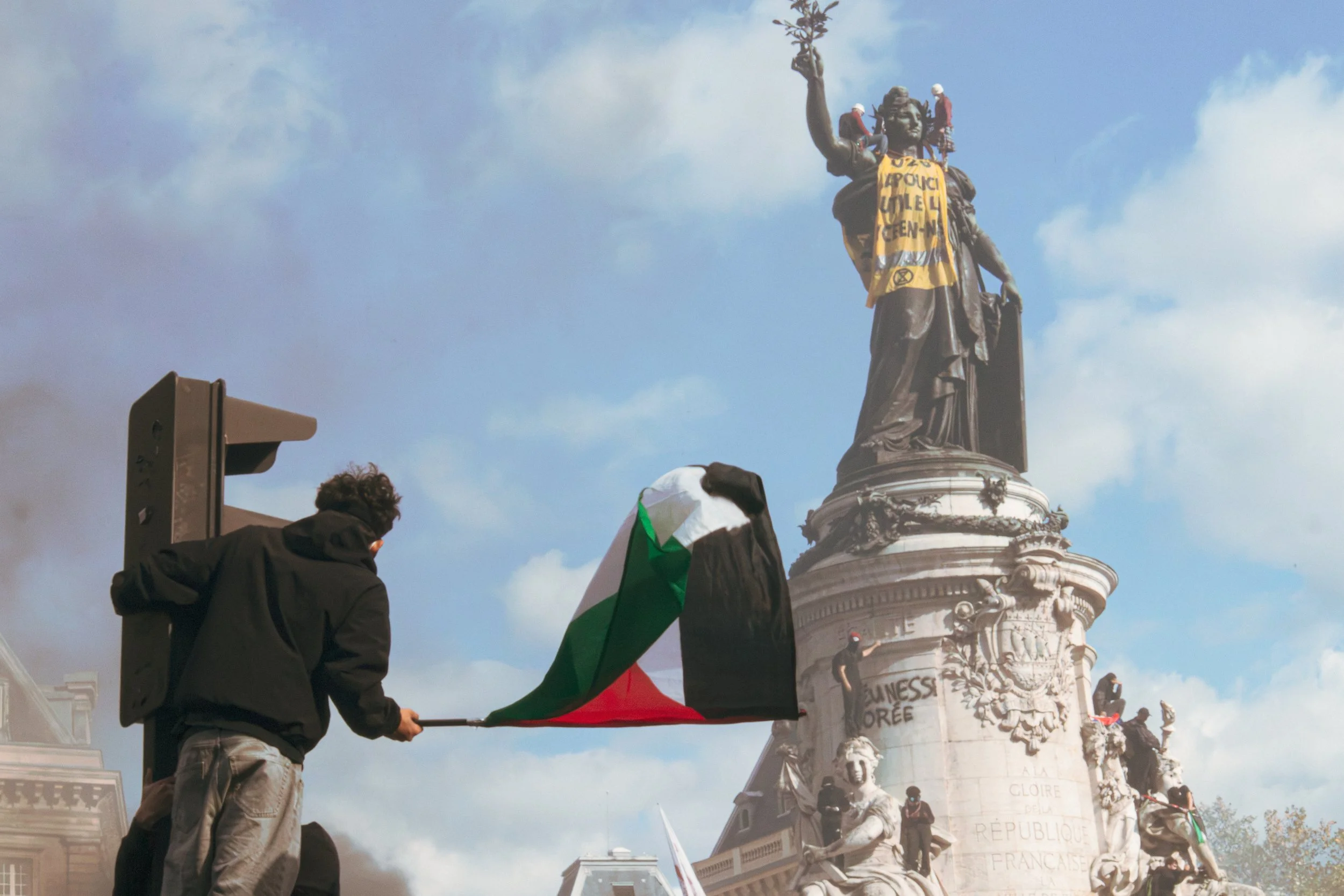
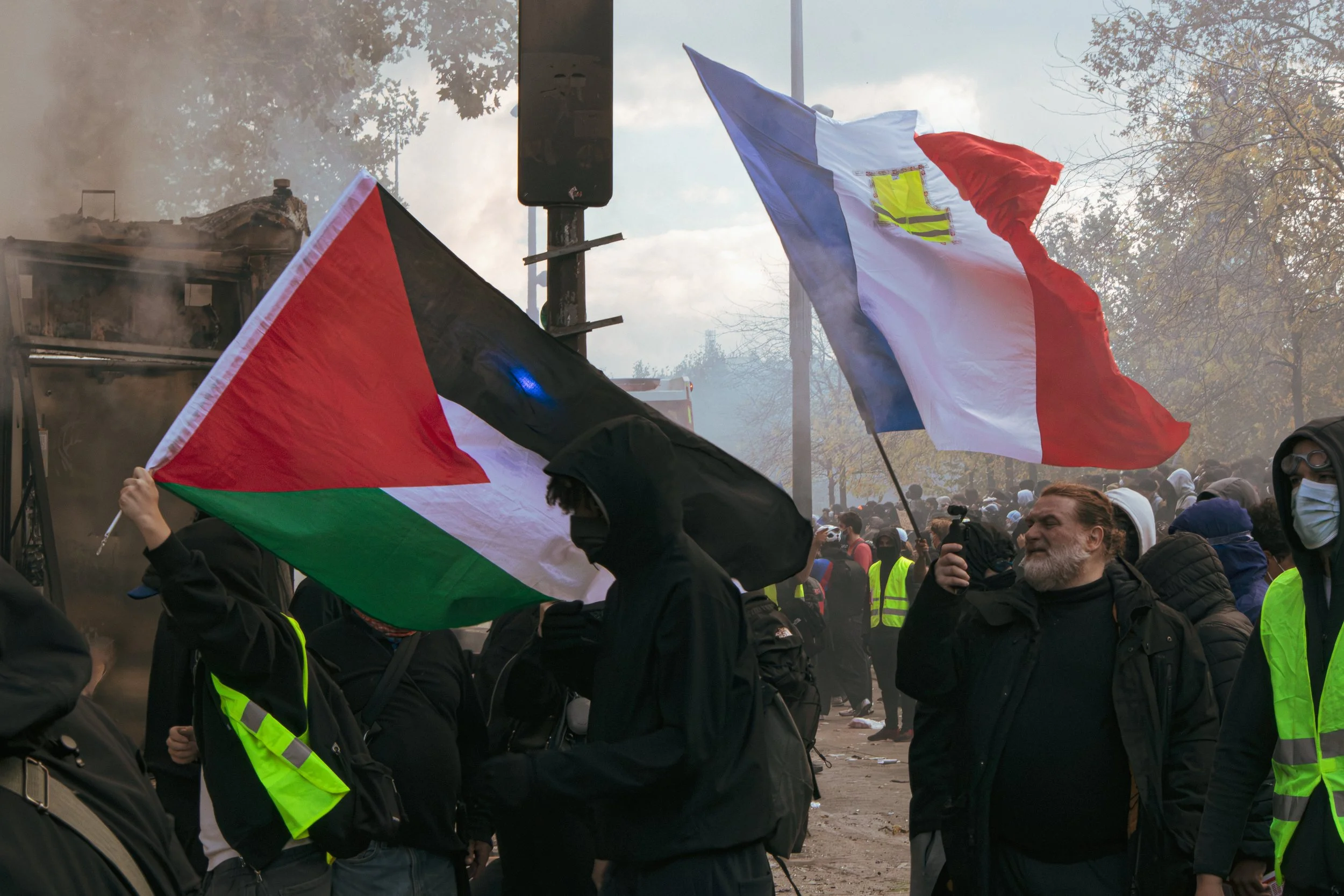
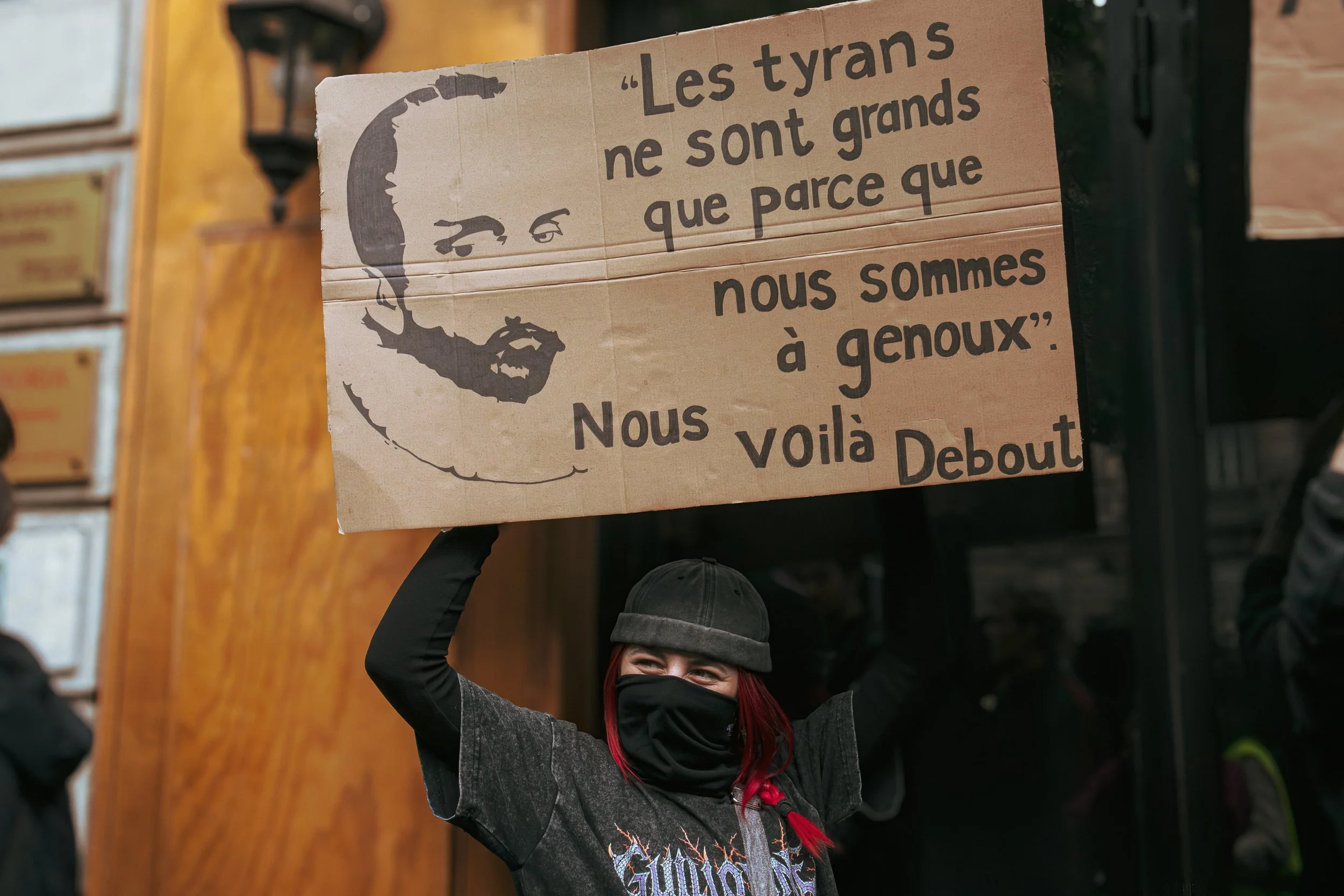
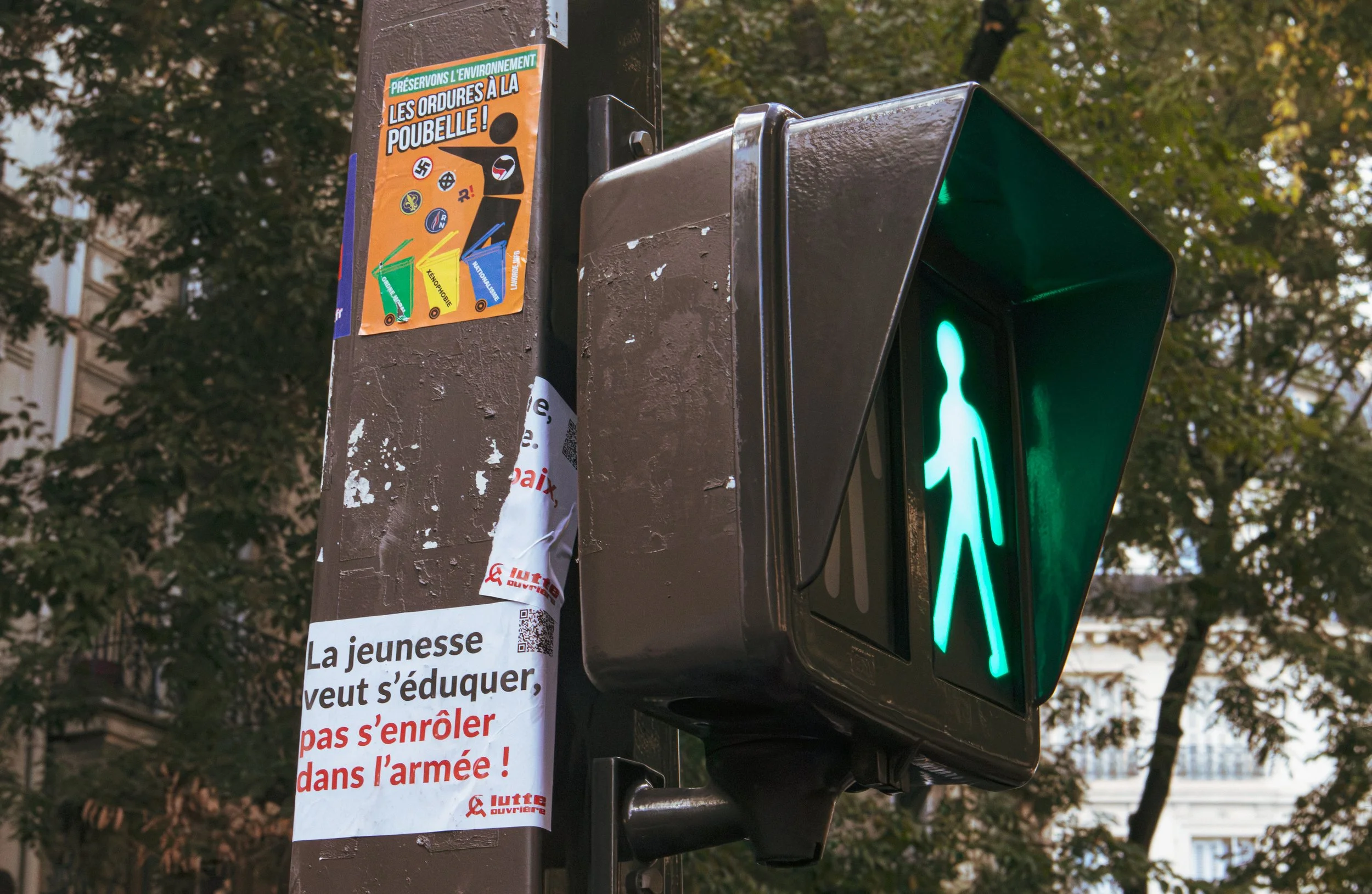
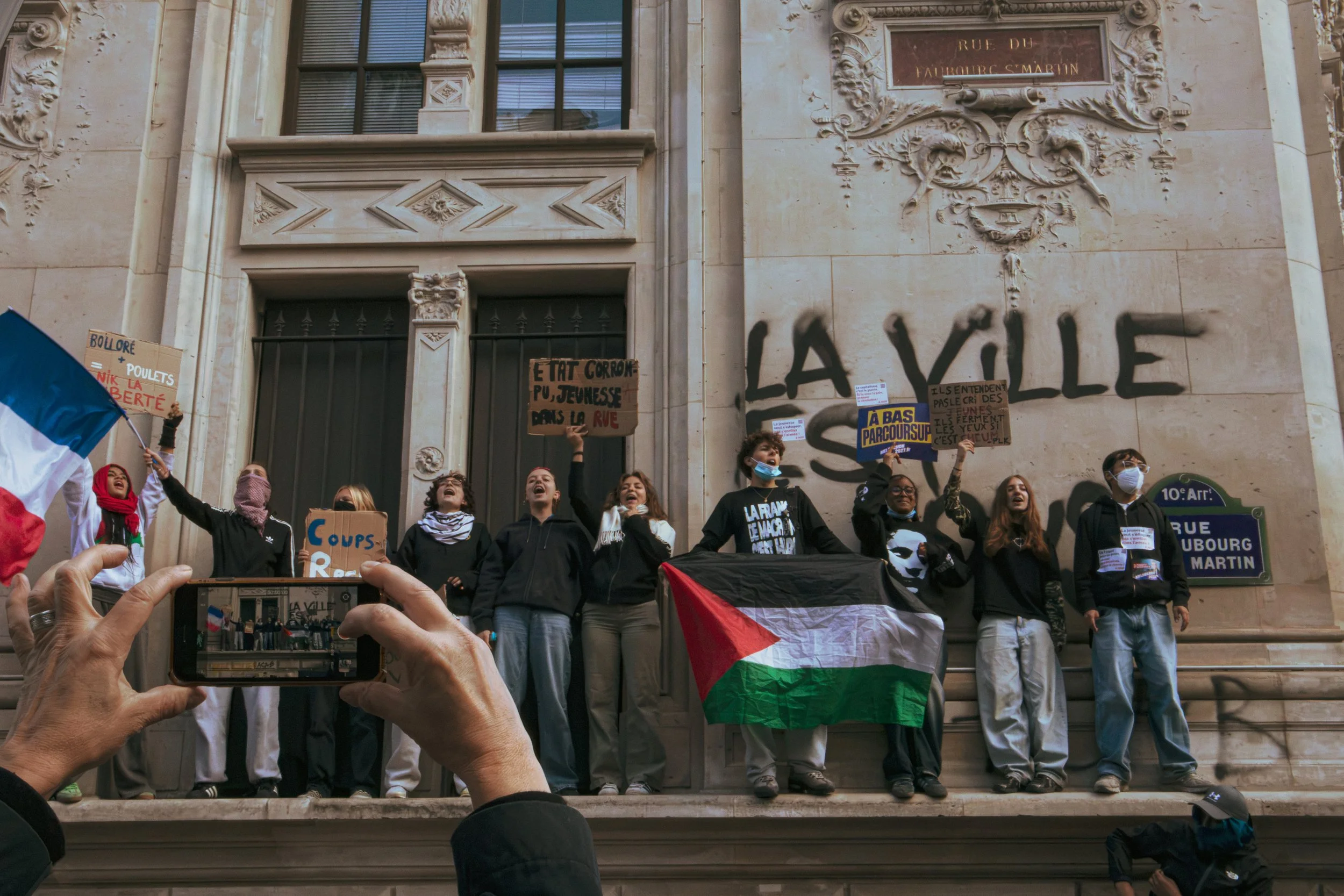
Students, workers, trade unions and grassroots movements gathered to express frustrations rooted in economic insecurity, political distrust and concerns over the future of public services. Their demands raised fundamental questions about purchasing power, social protection, the distribution of wealth and political representation.
The date also carried a particular historical significance. Sixty-five years earlier, on October 17, 1961, tens of thousands of Algerians had marched peacefully through Paris to protest a discriminatory curfew imposed during the Algerian War of Independence. French police violently suppressed the demonstration, arresting thousands and killing numerous protesters, some of whom were thrown into the Seine.
Long obscured in France's official historical narrative, the massacre remains a central chapter in the history of French colonialism, state violence and the struggle for recognition. Its memory was present in the streets in 2026, connecting contemporary debates about discrimination, policing and civil liberties to an unresolved colonial past.
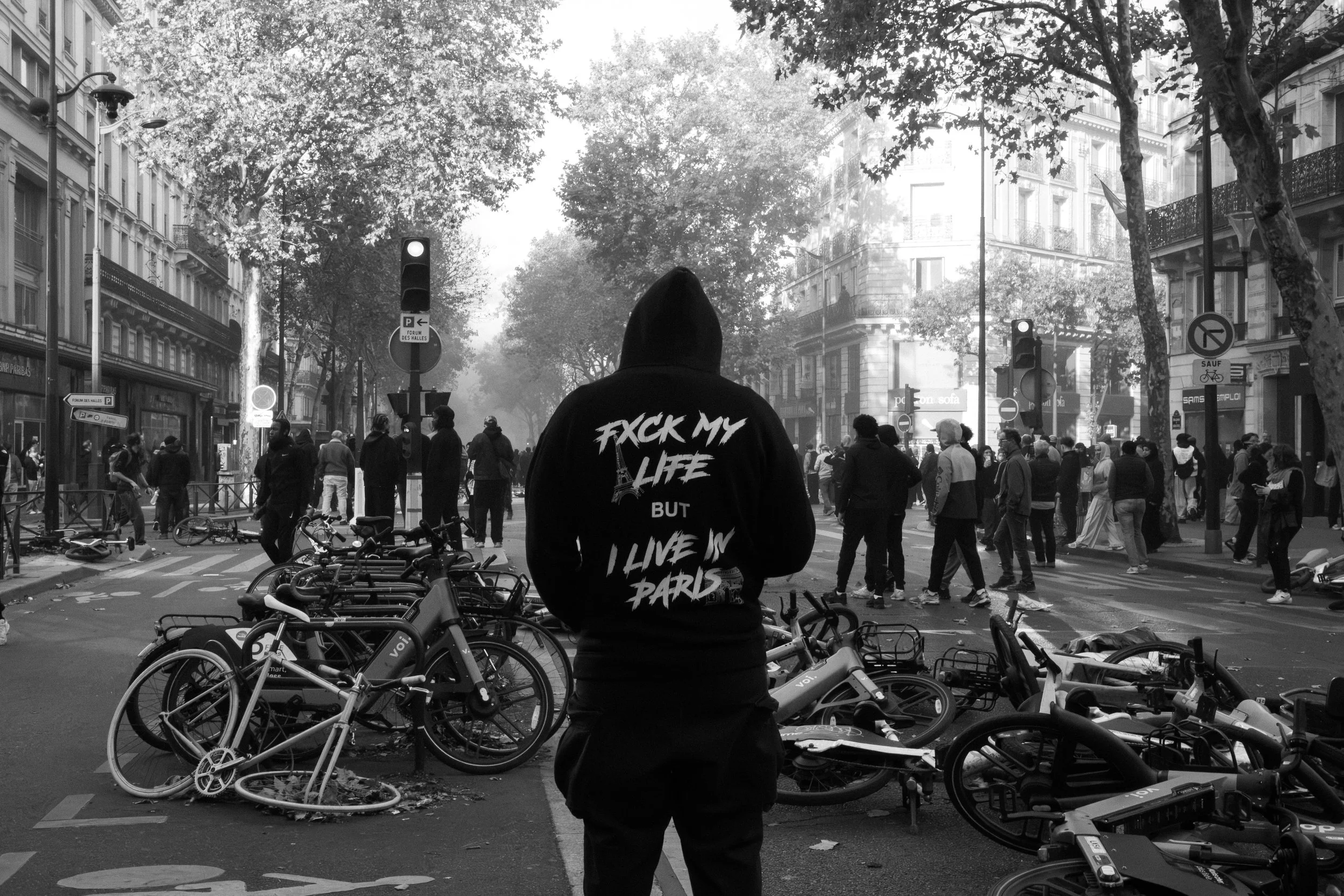
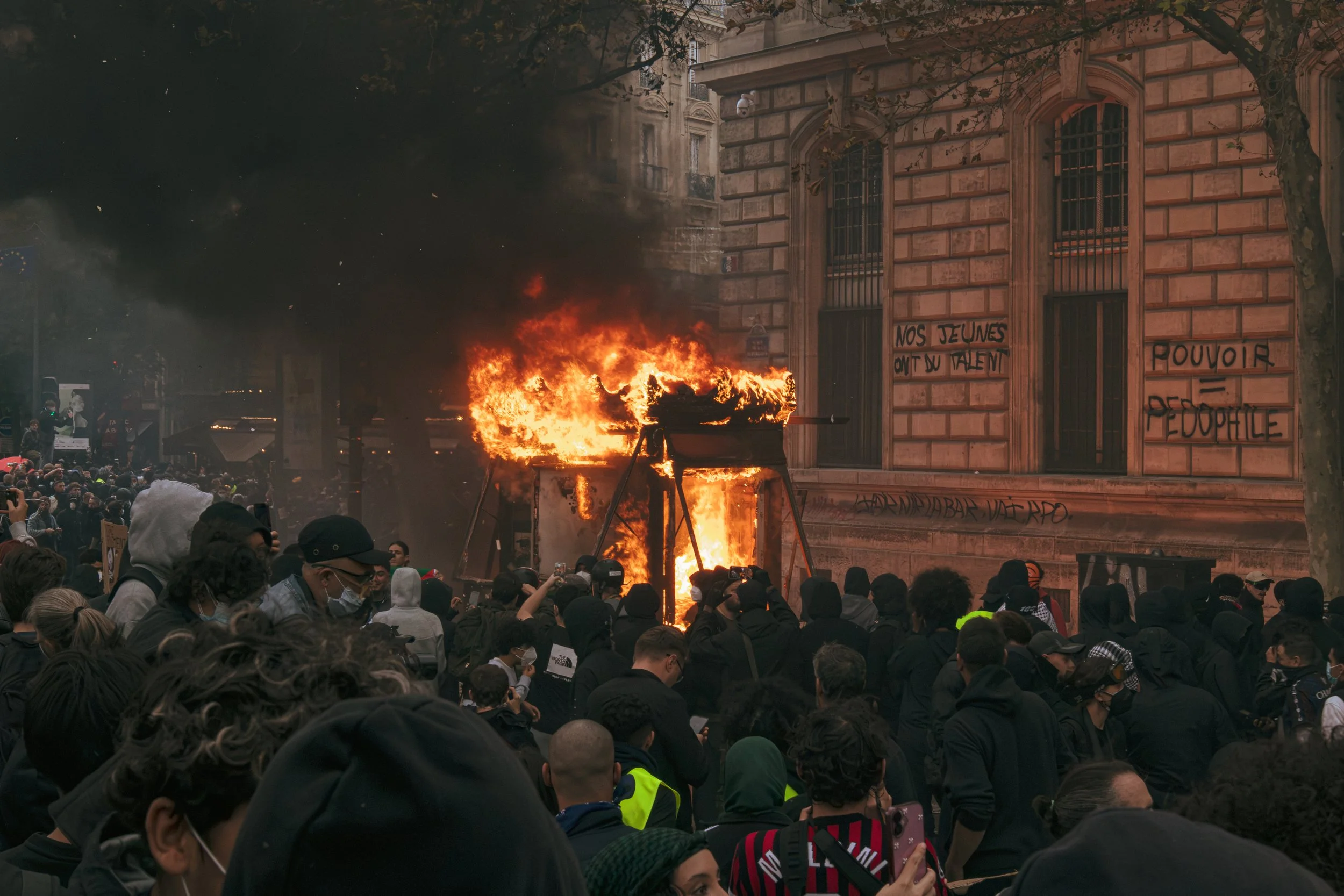
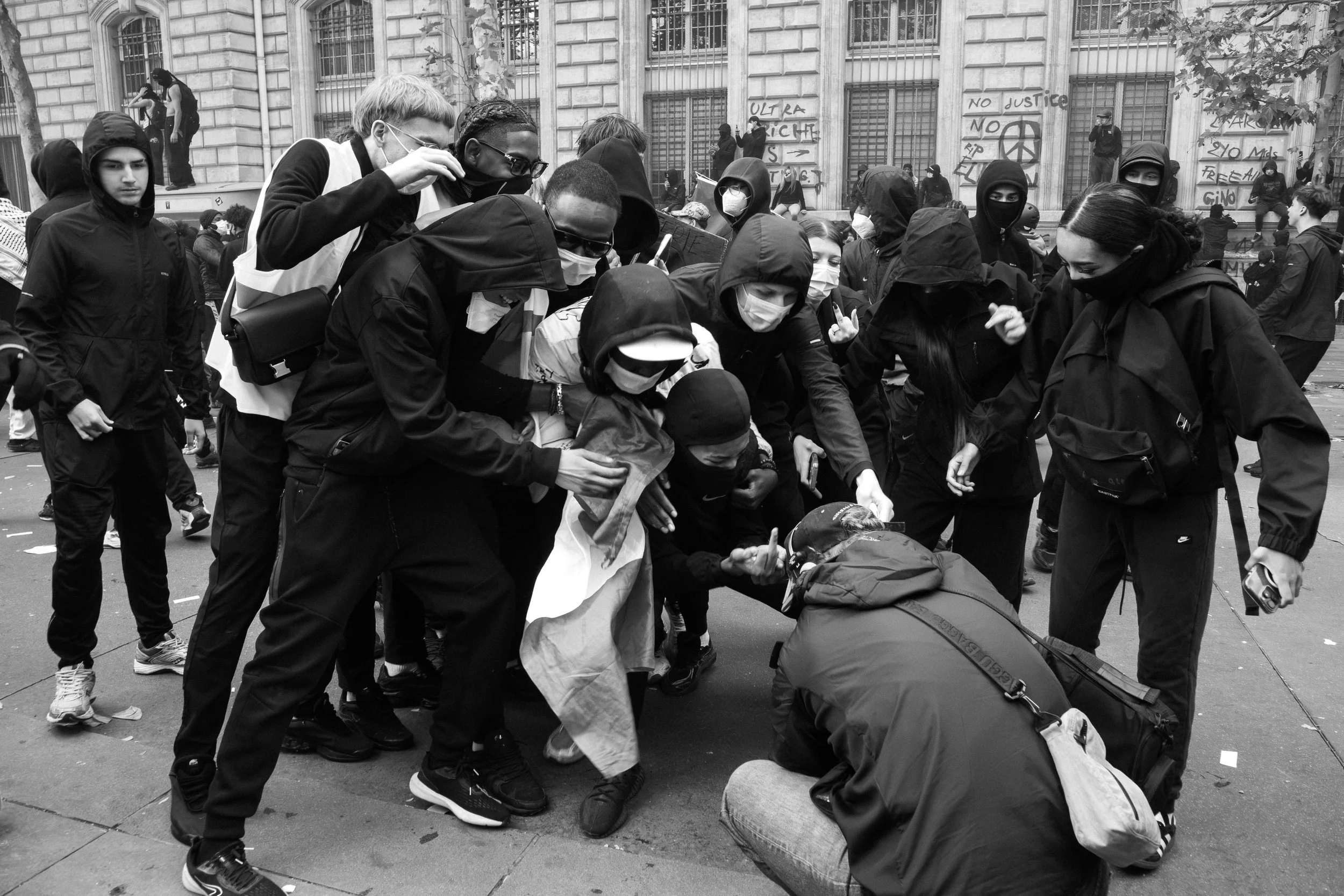
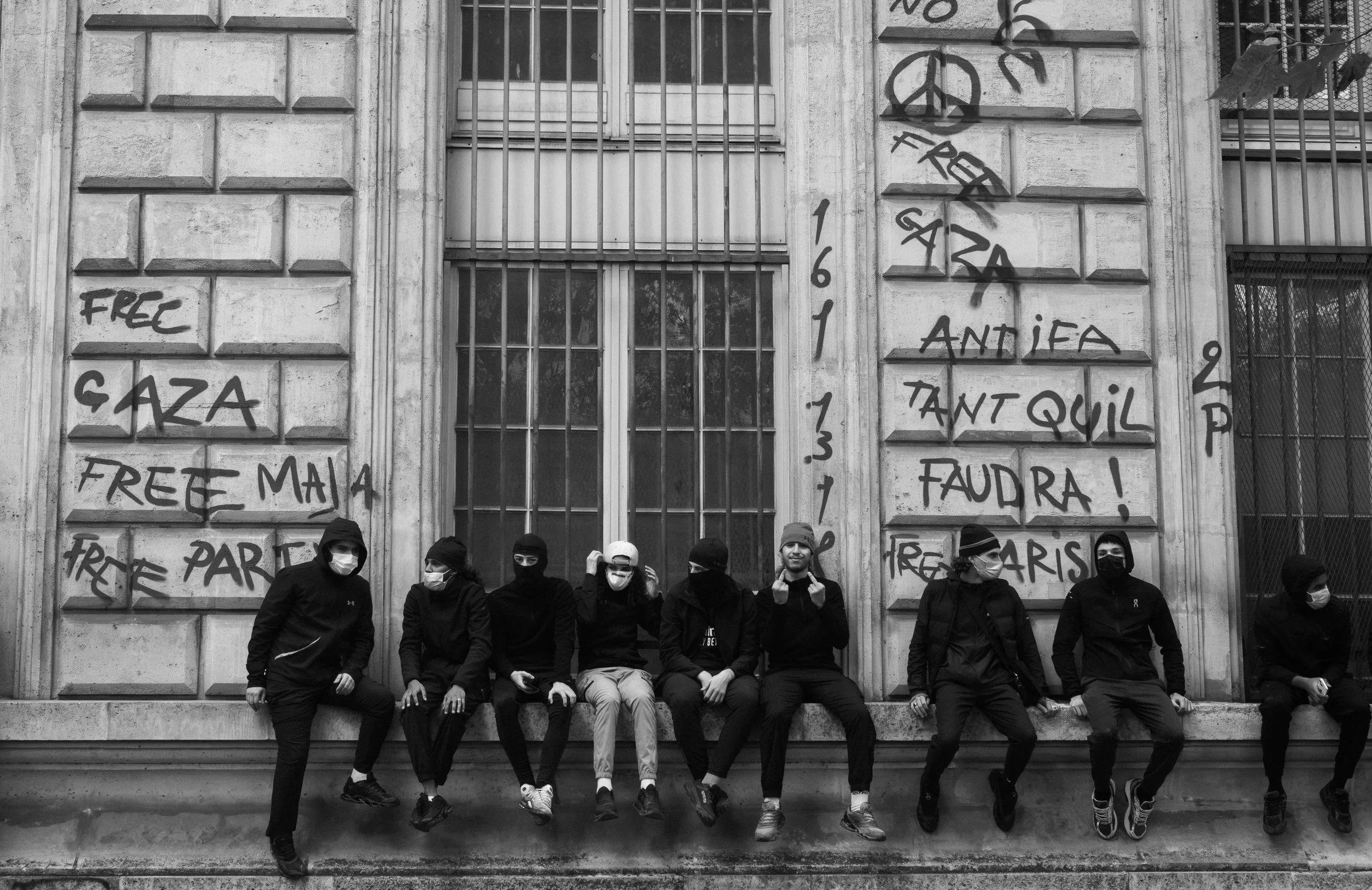
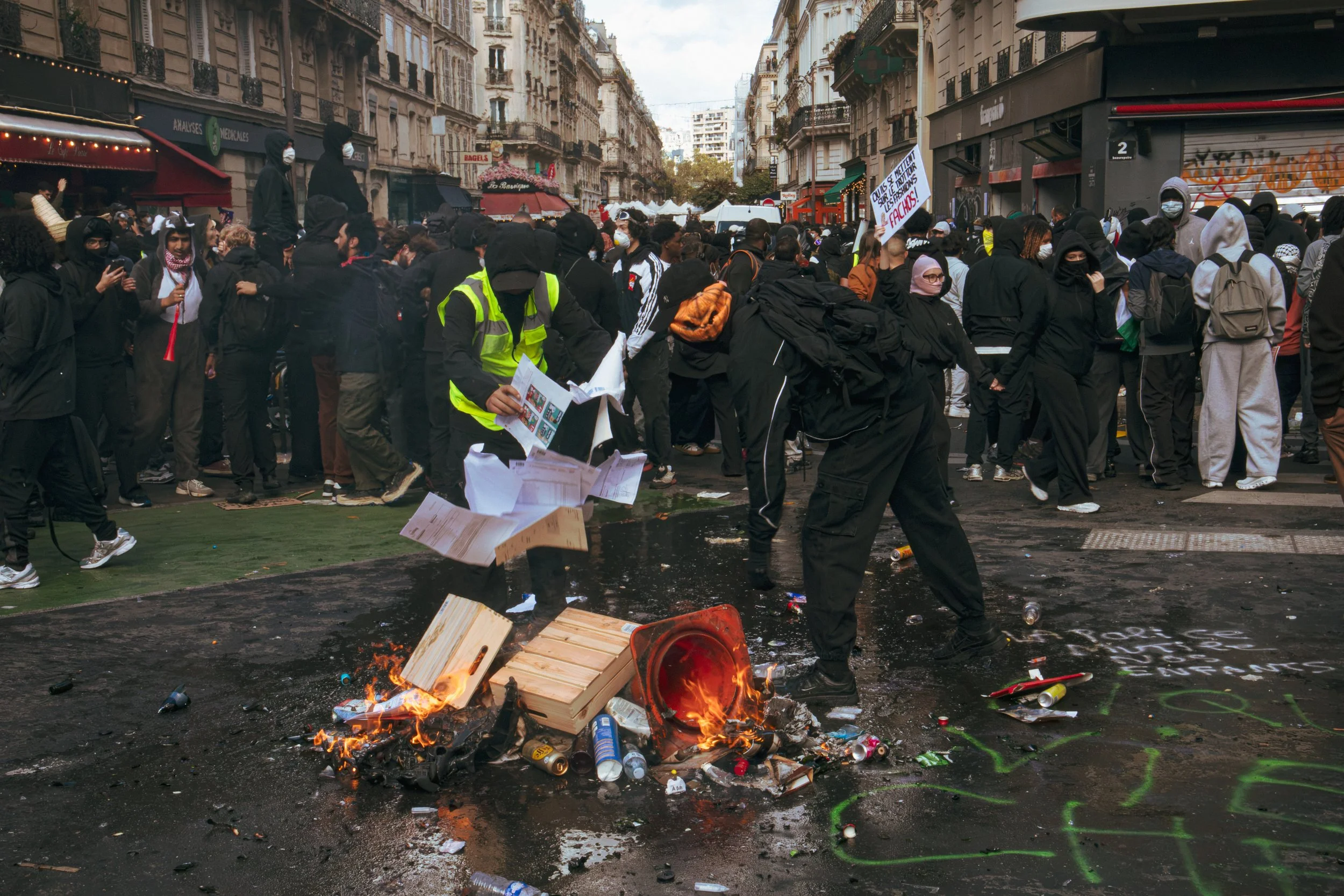
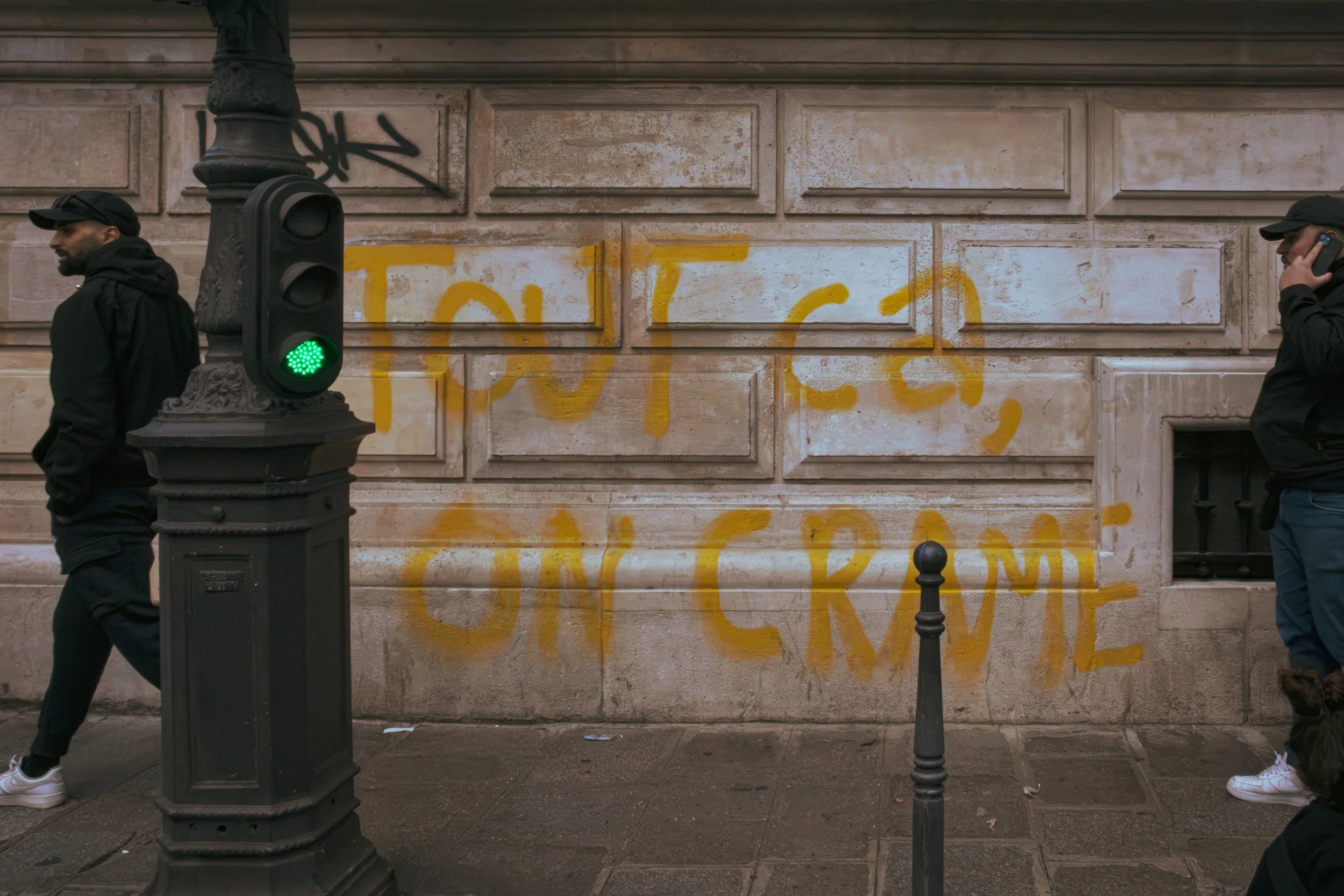
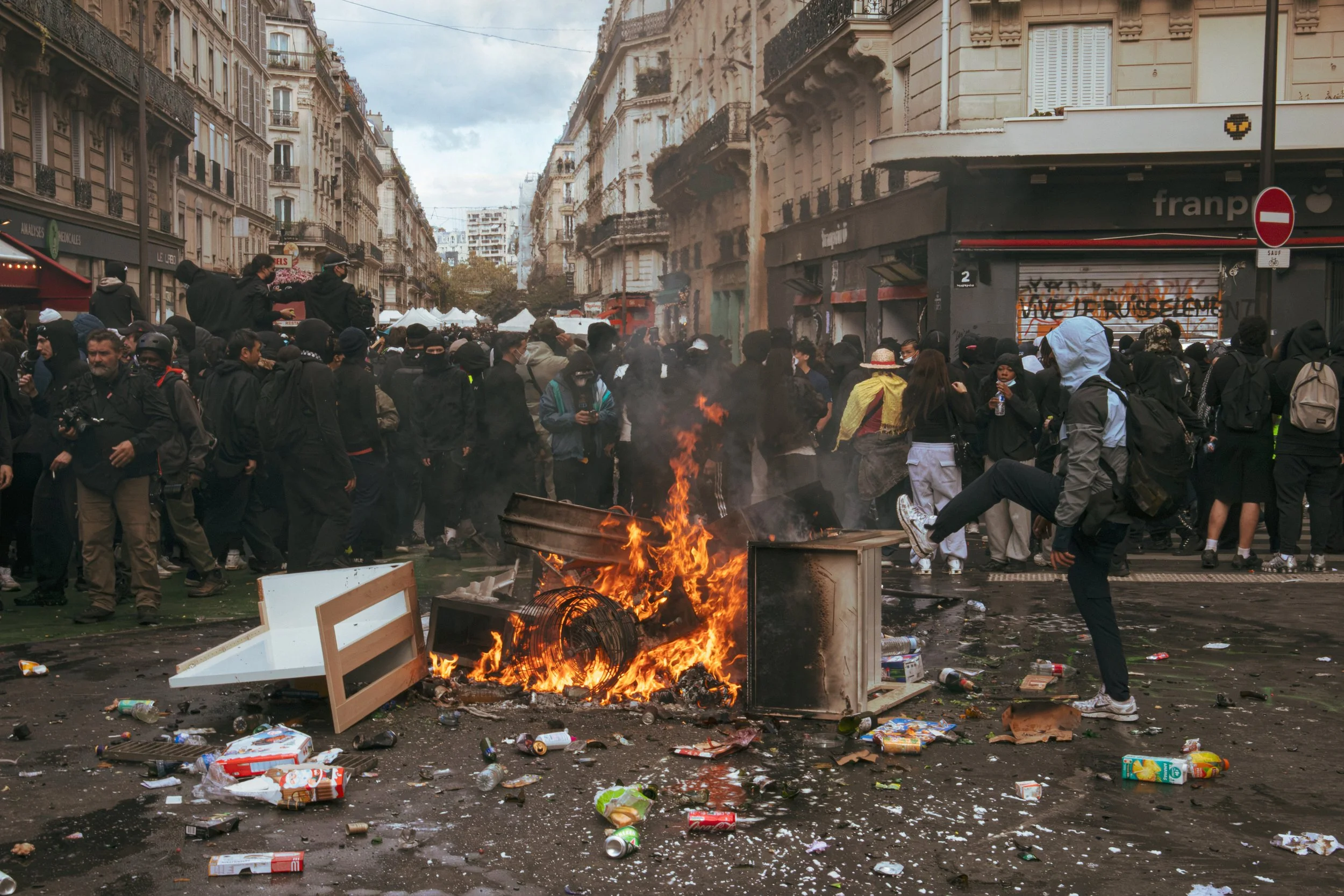
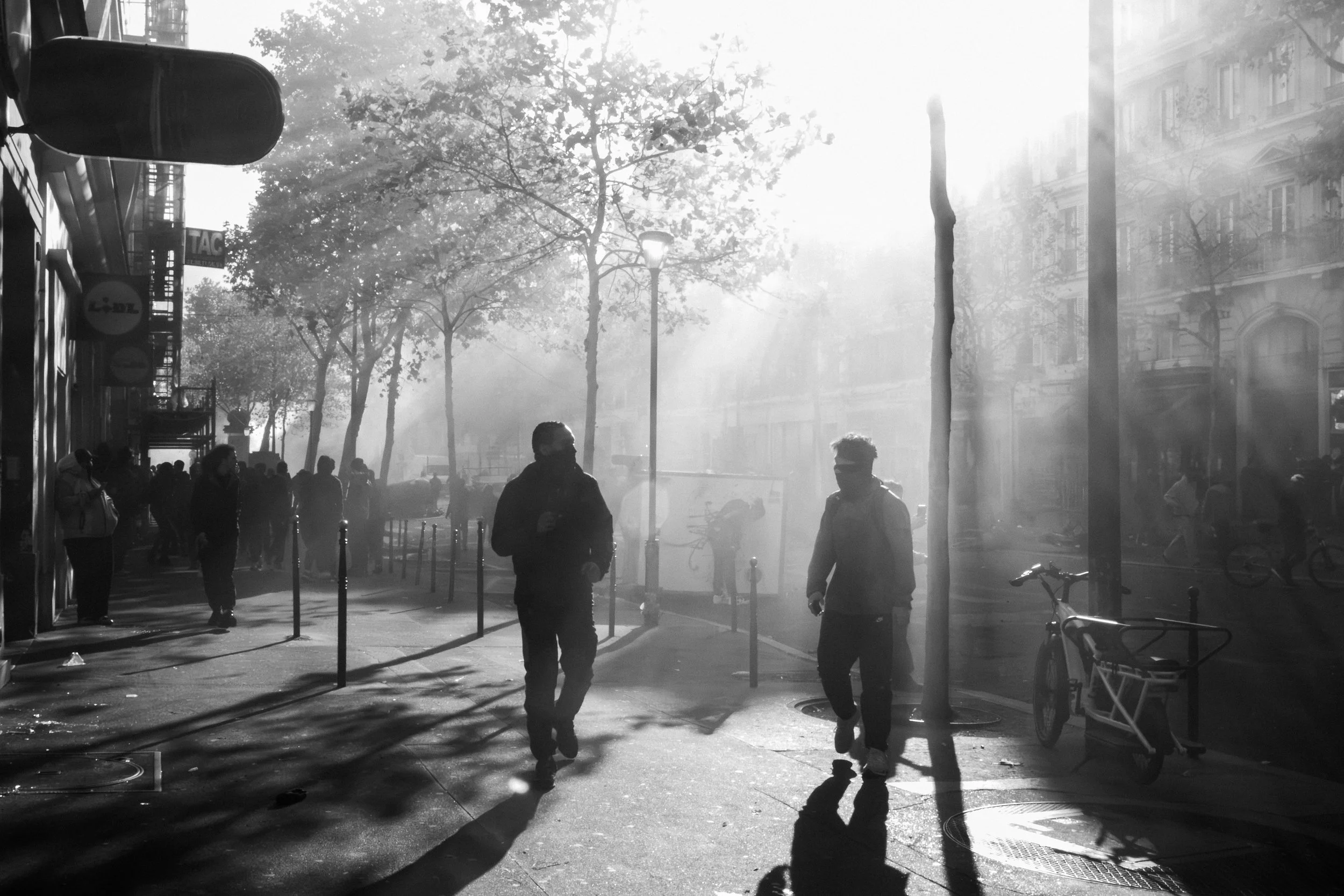
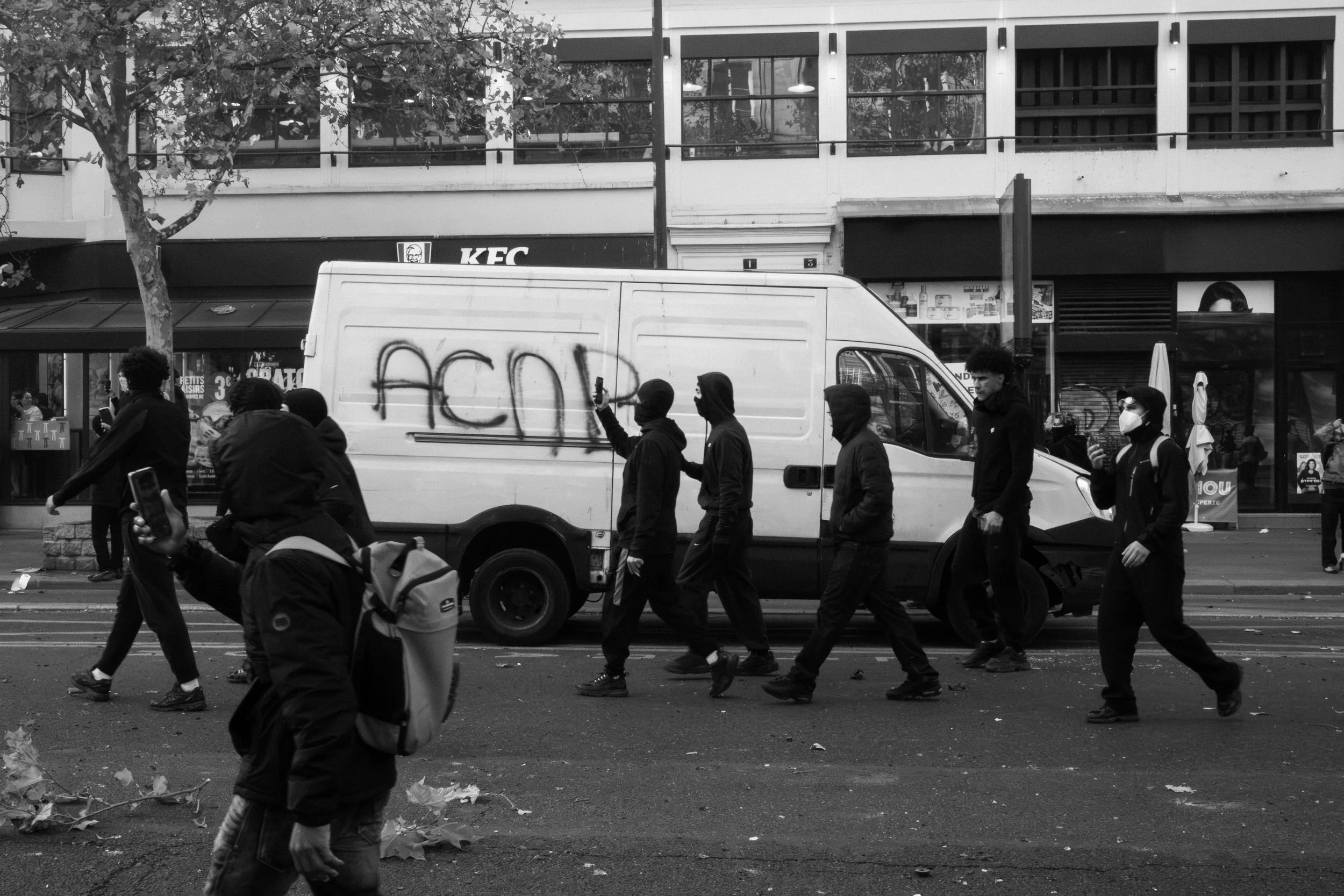
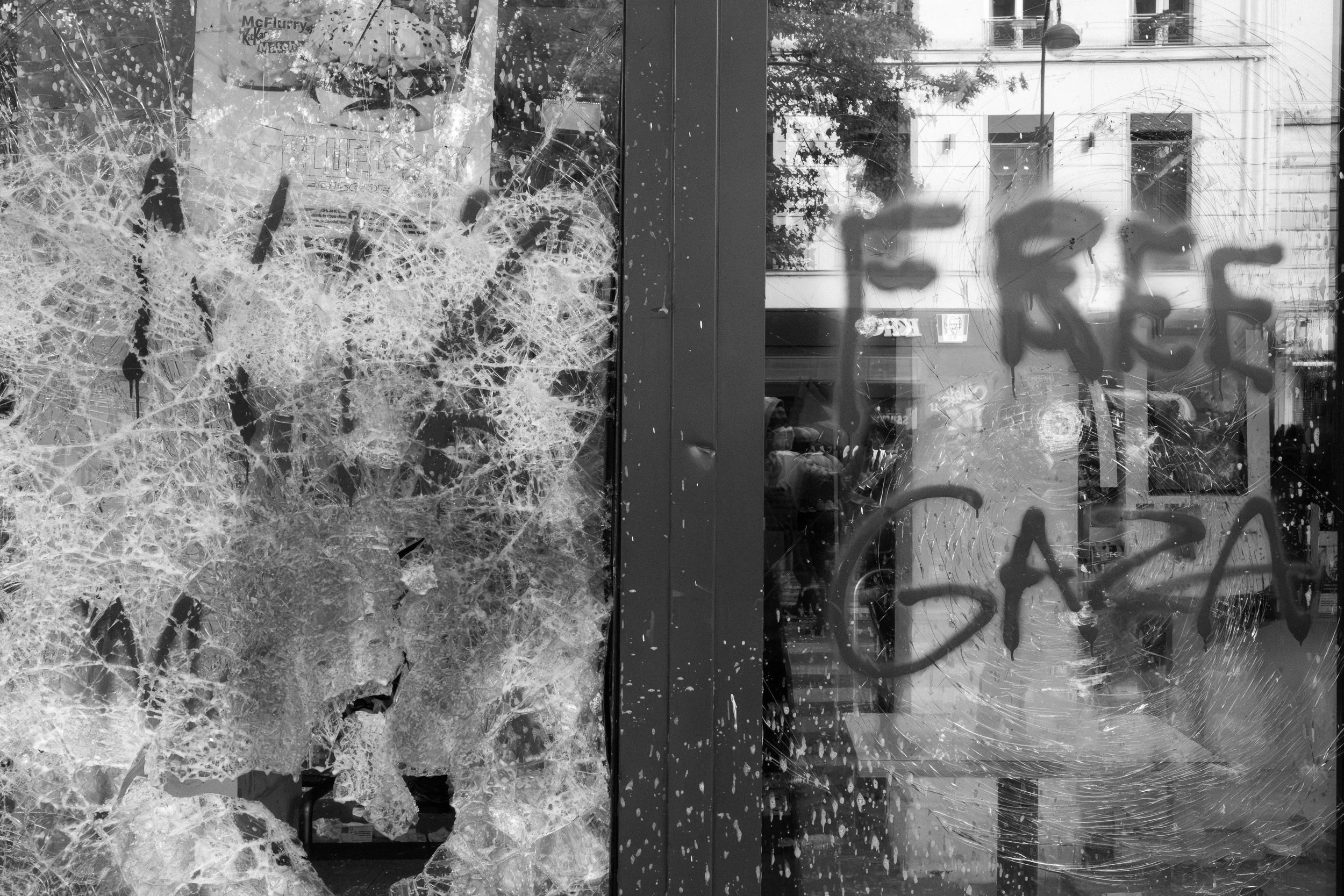
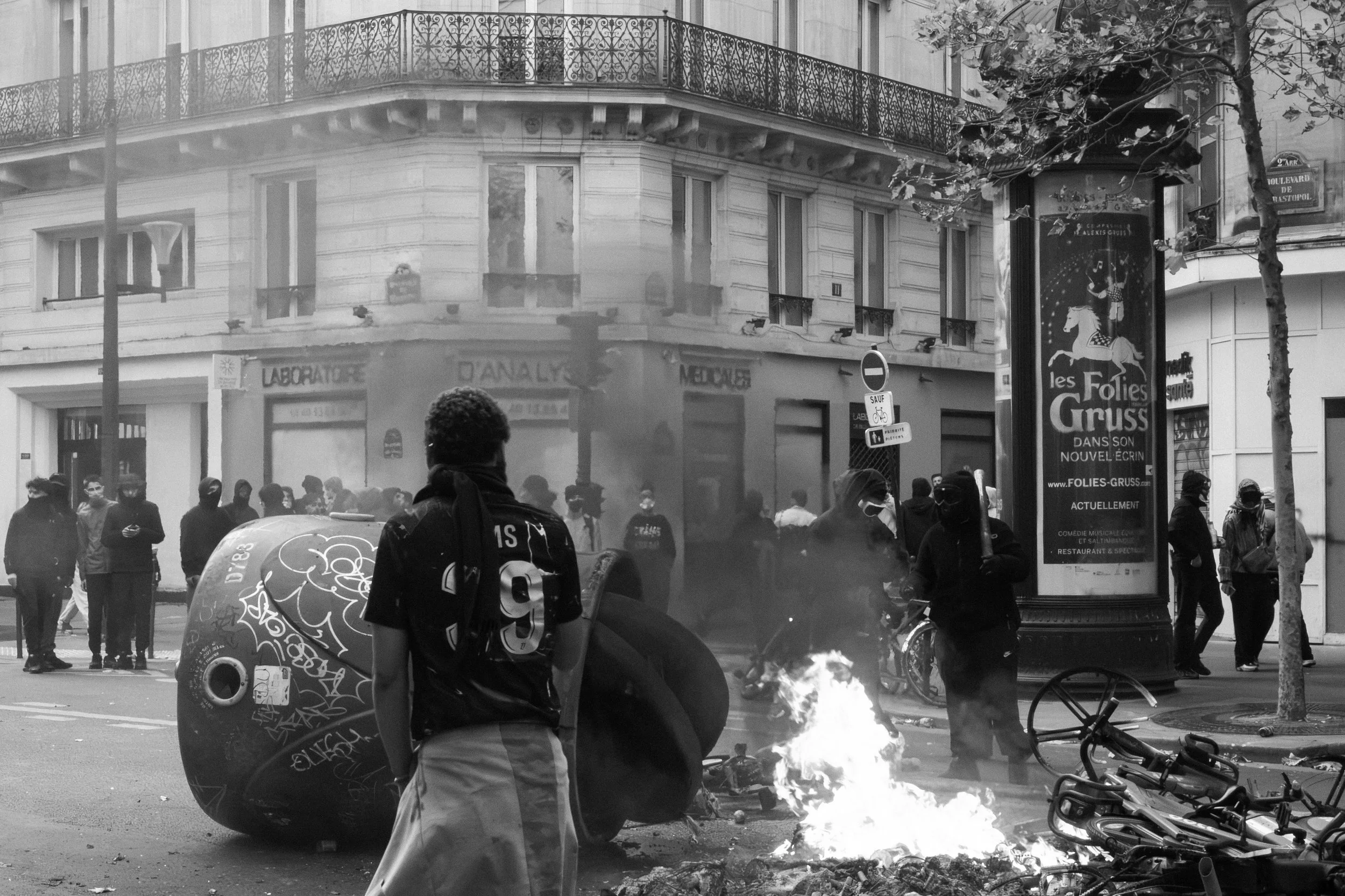
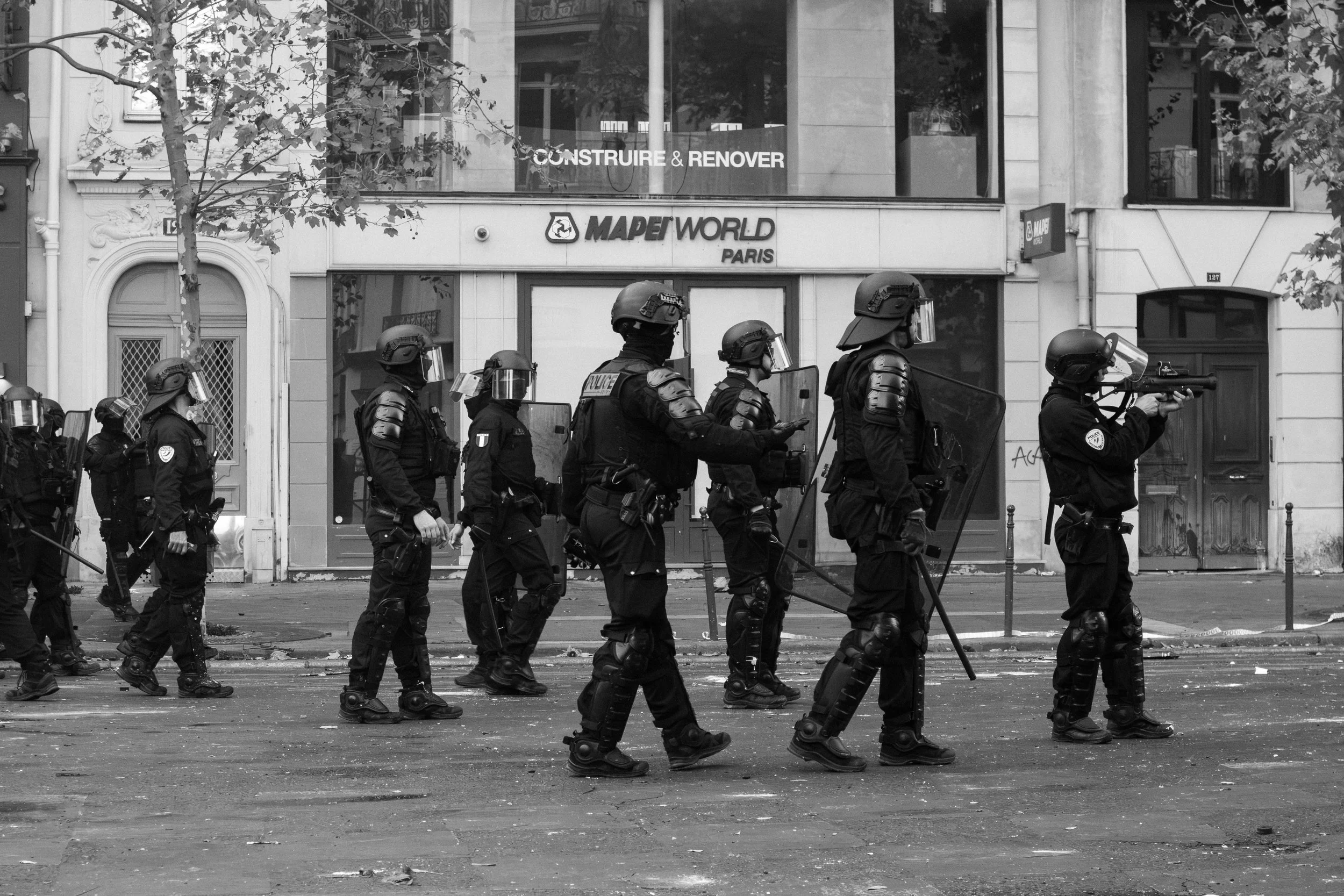
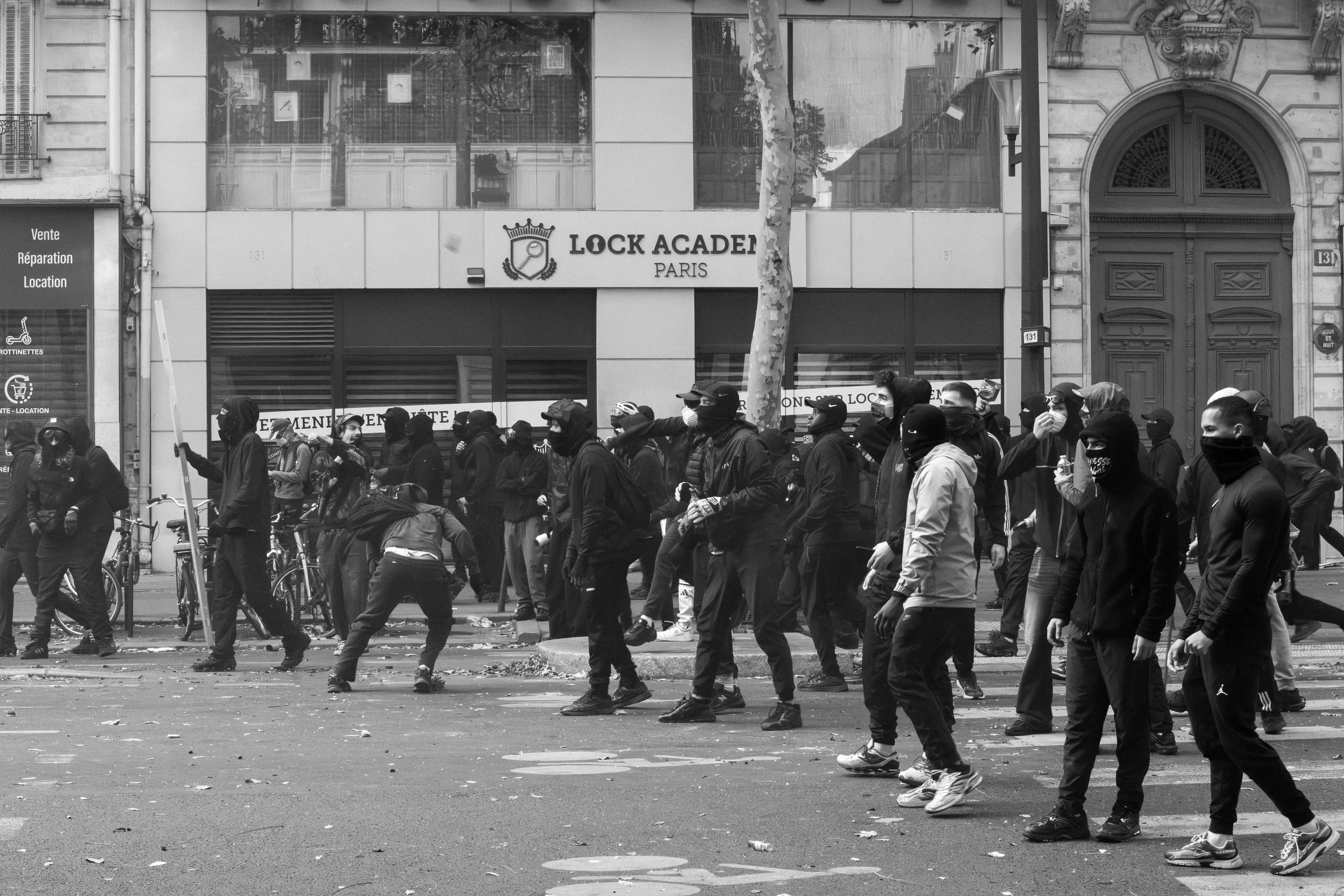
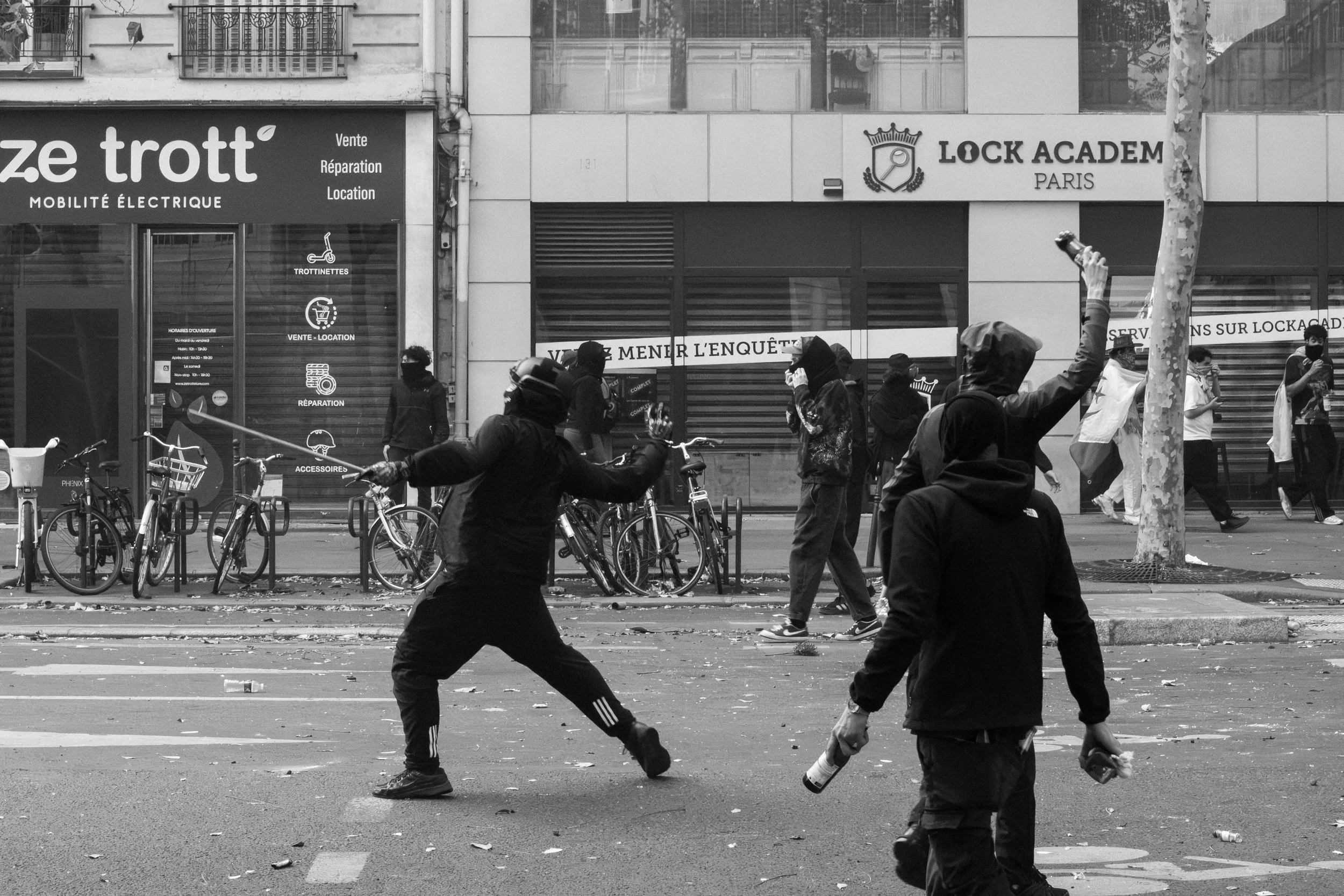
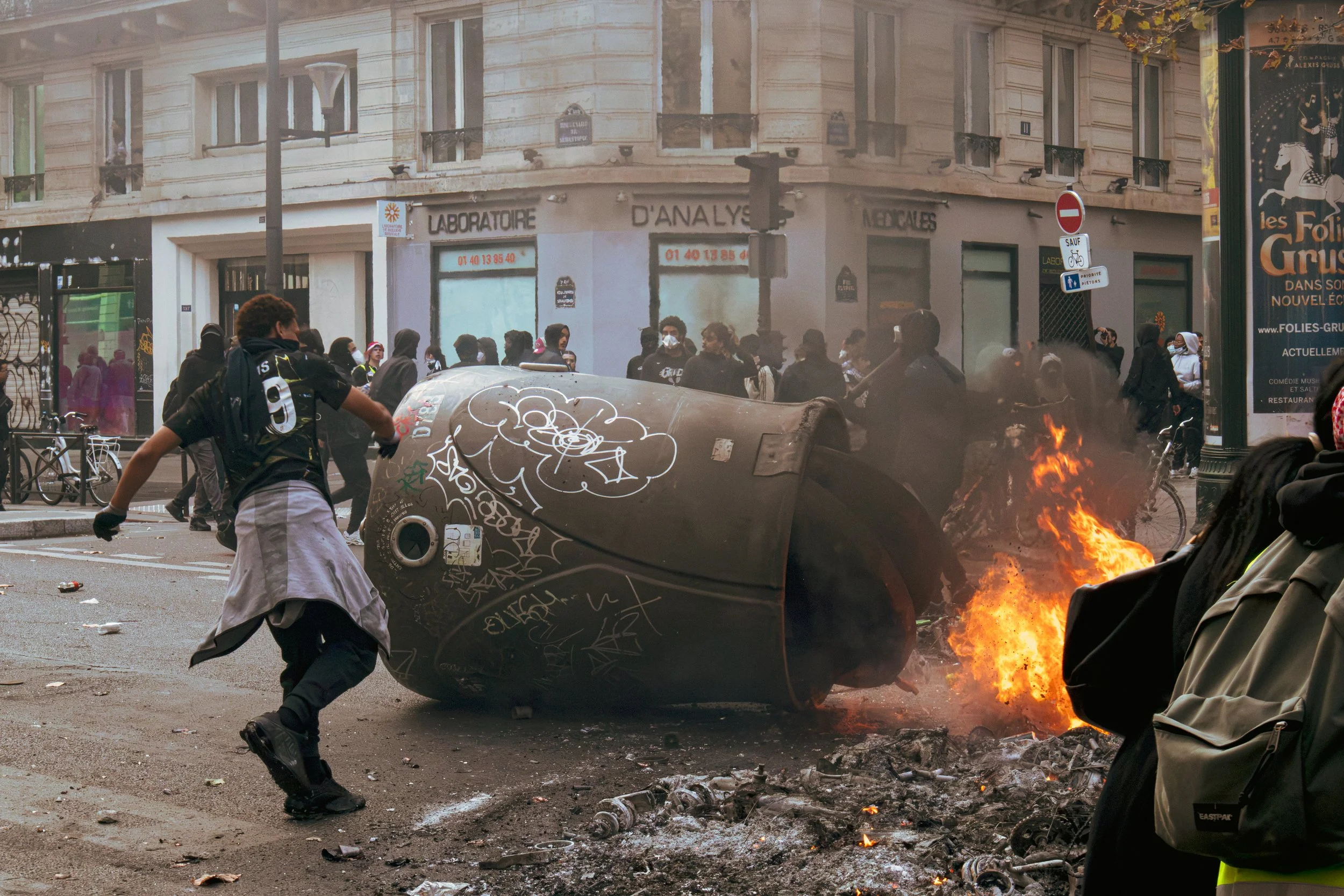
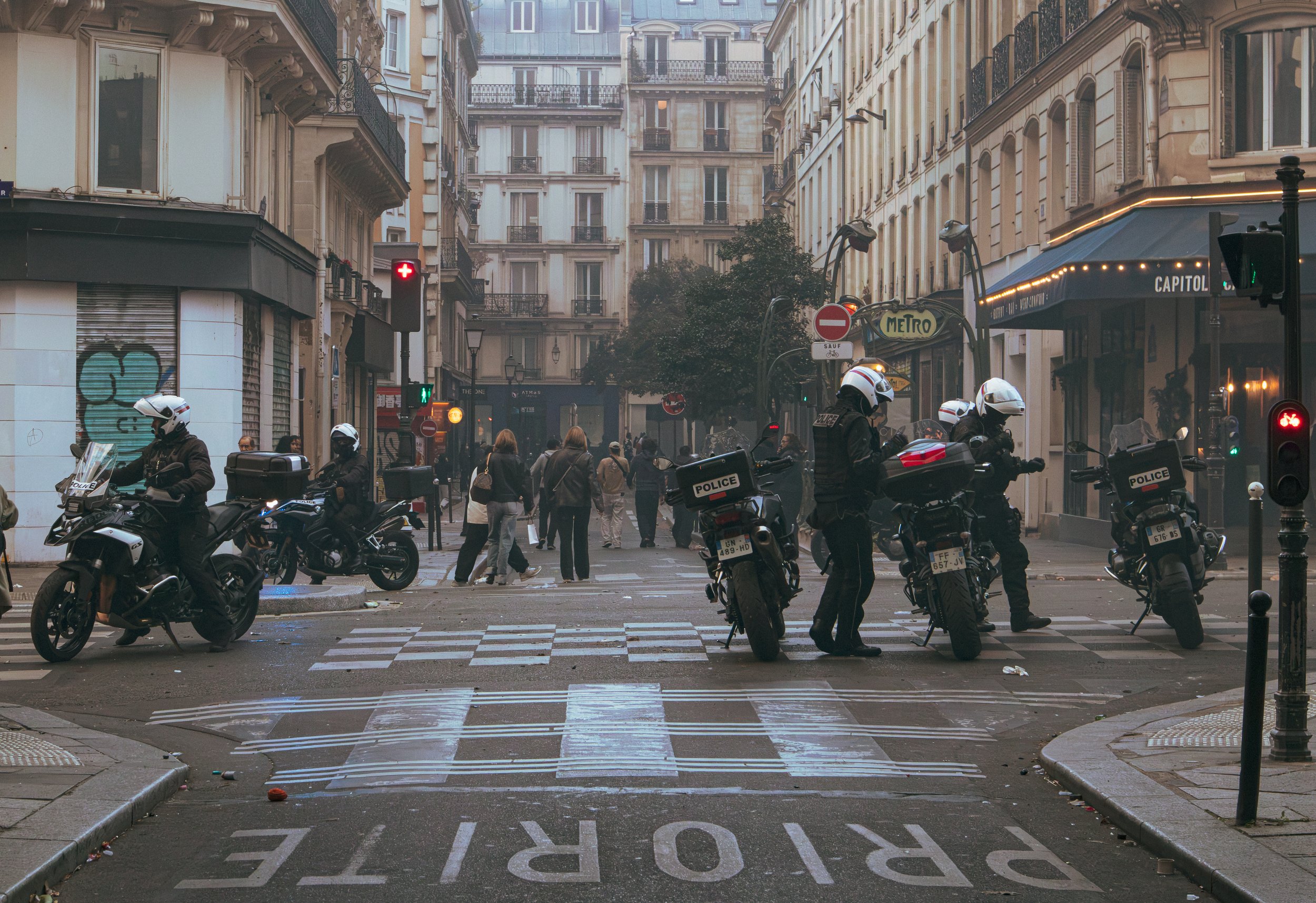
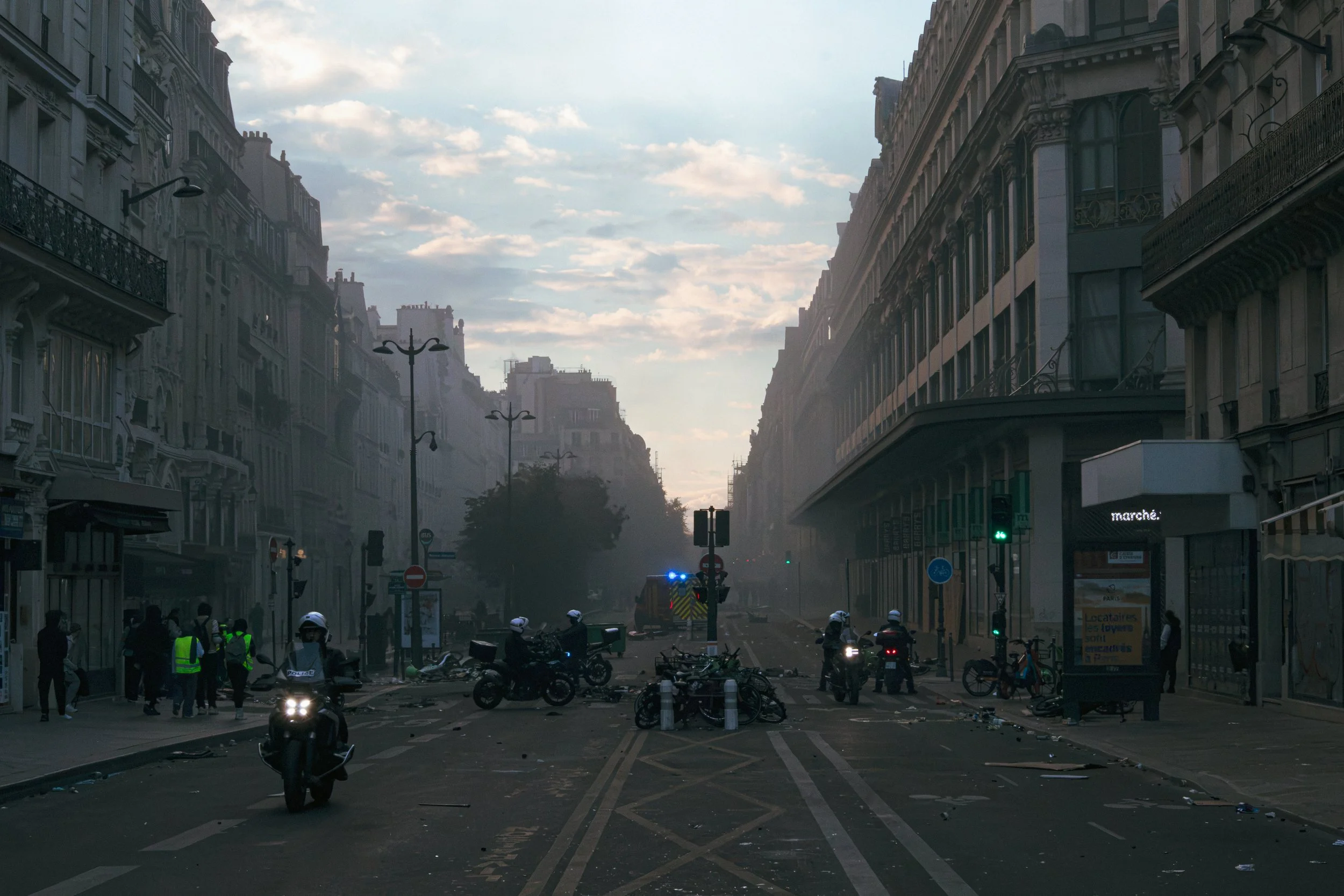
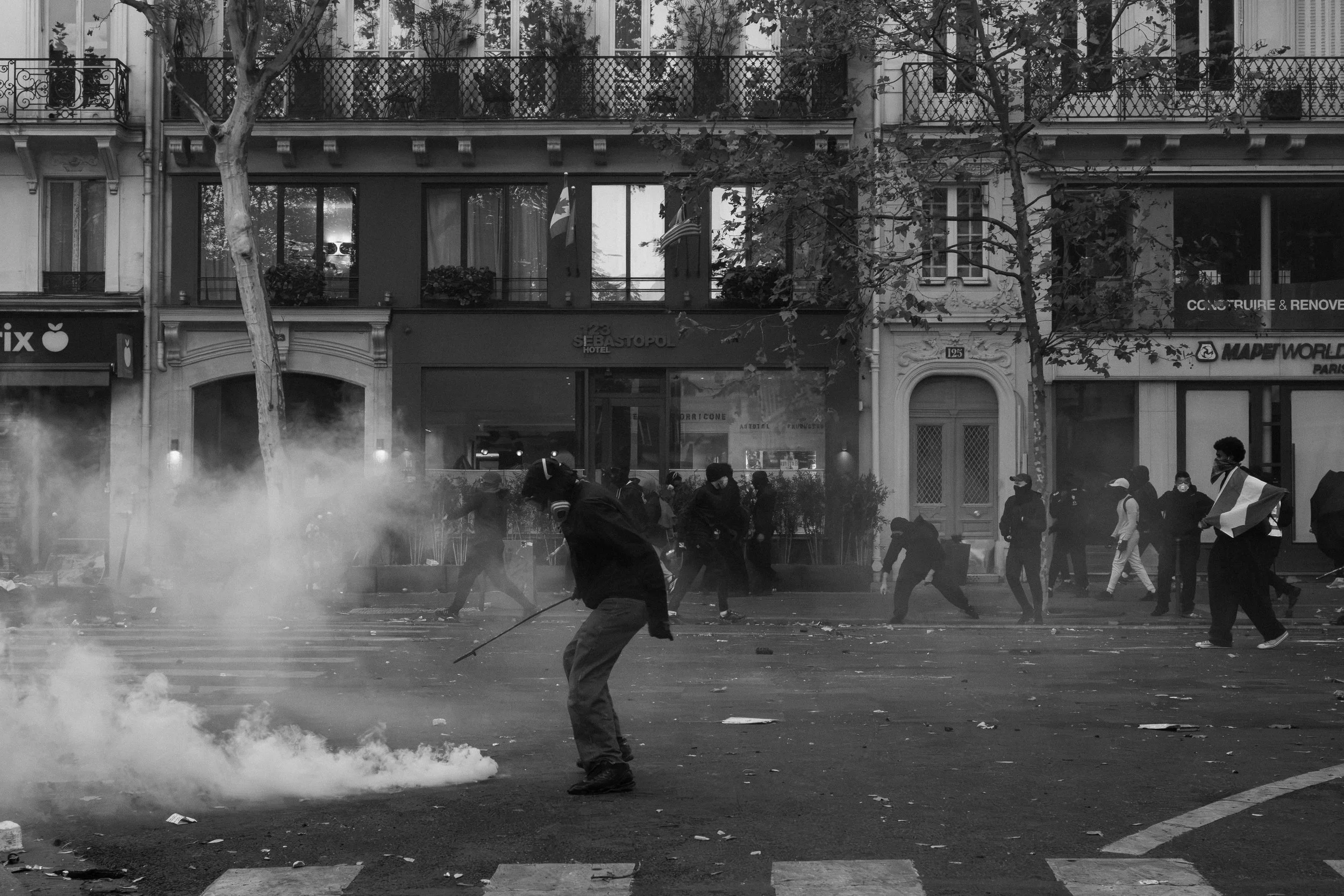
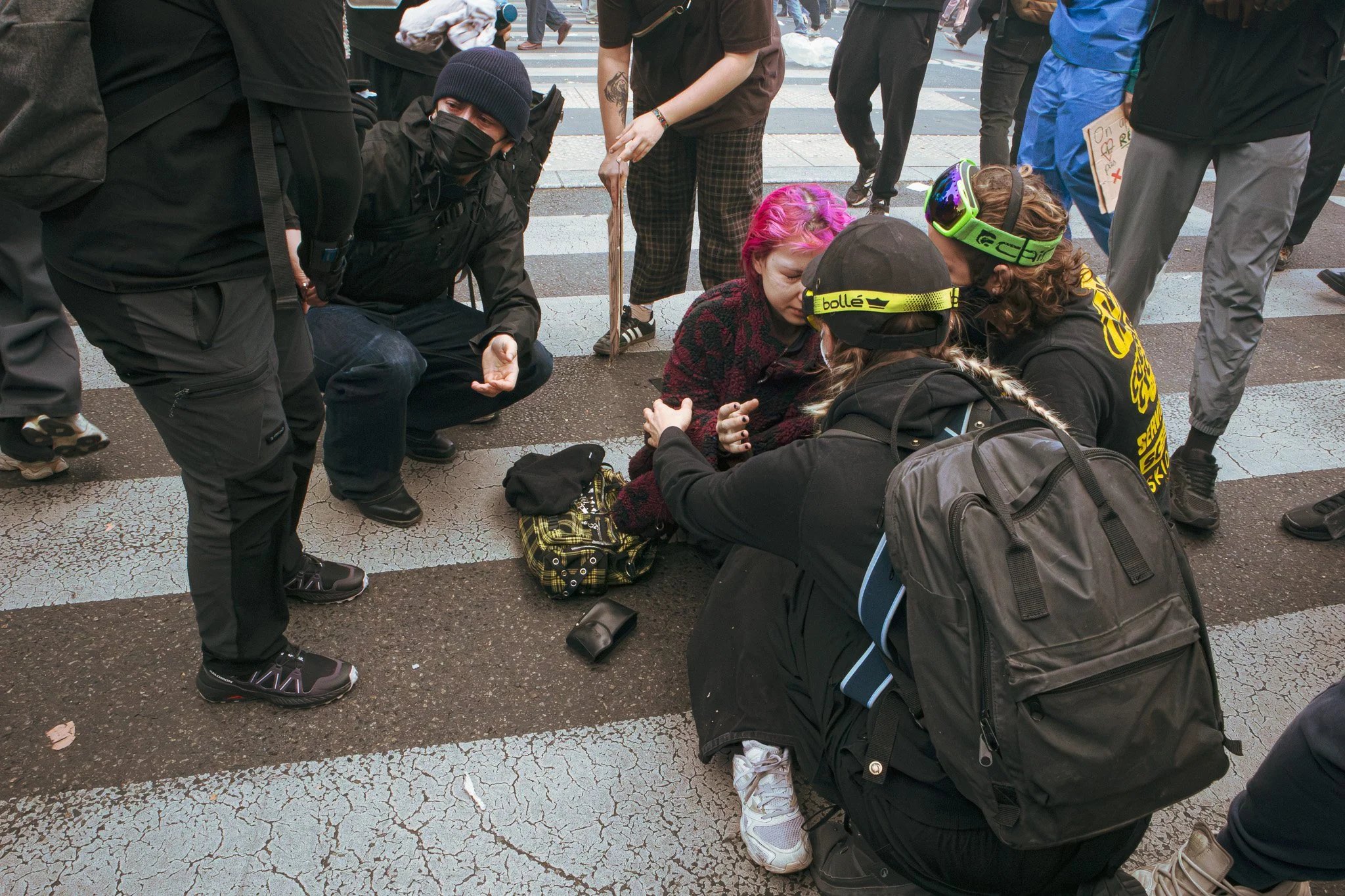
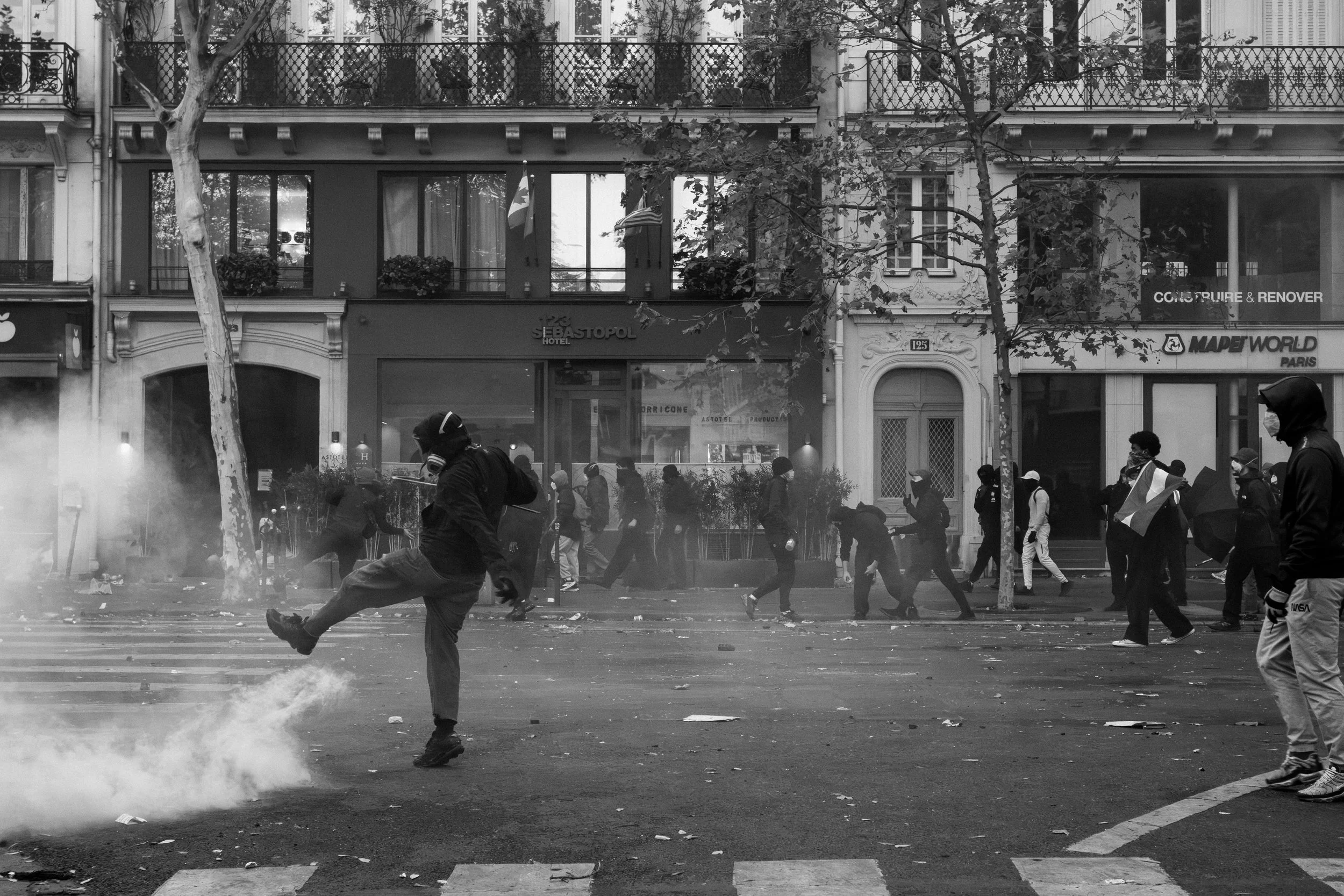
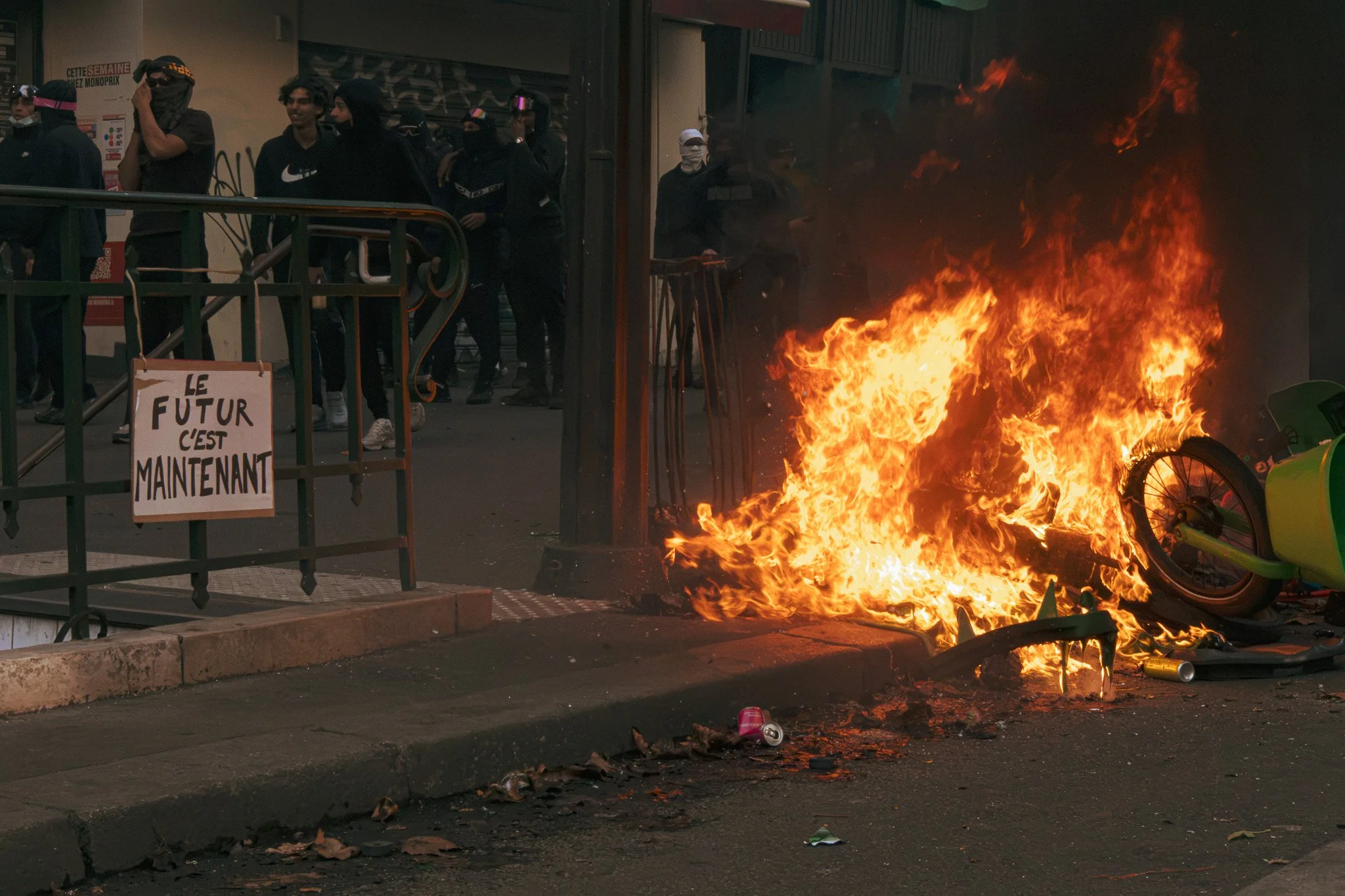
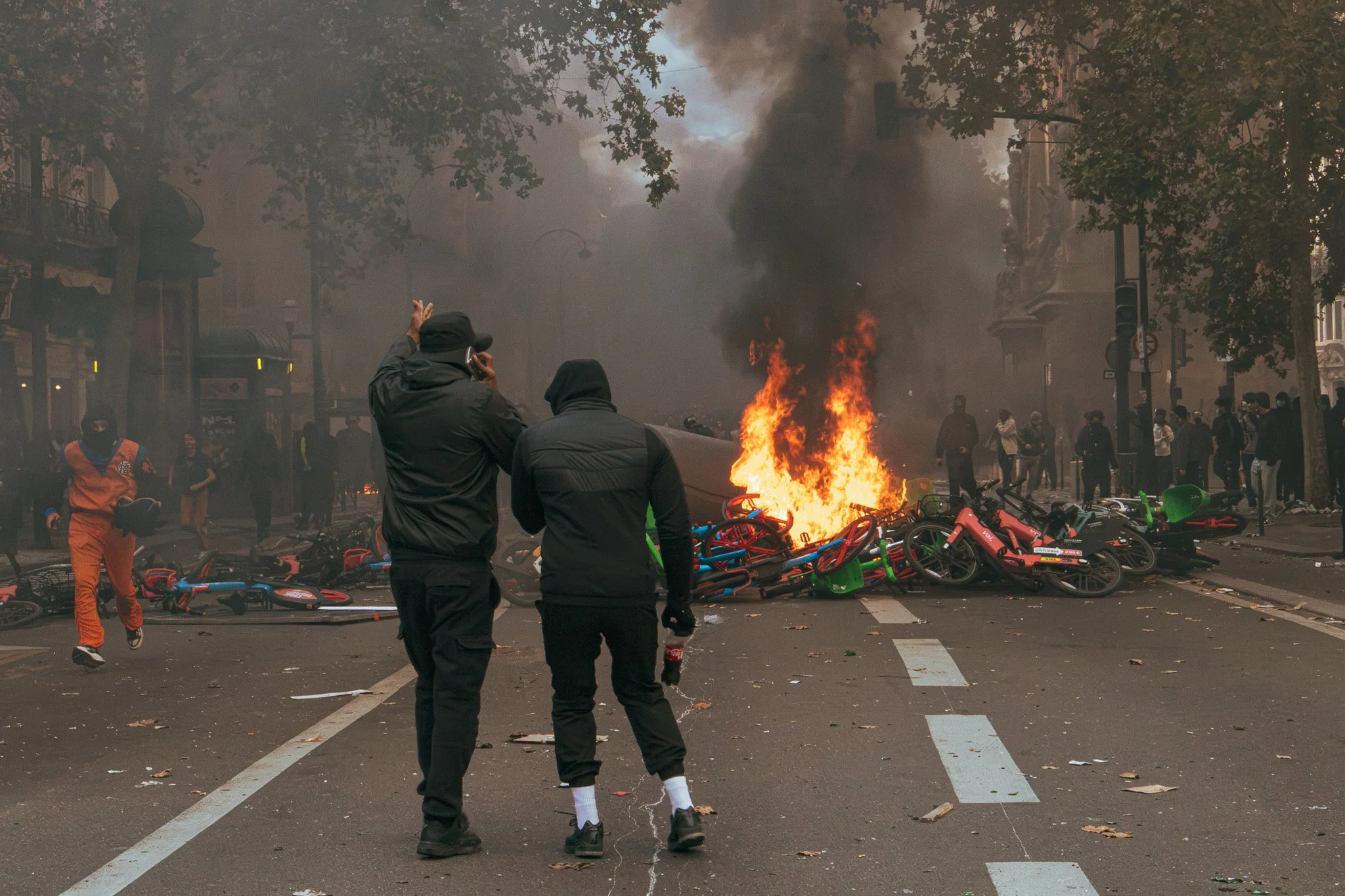
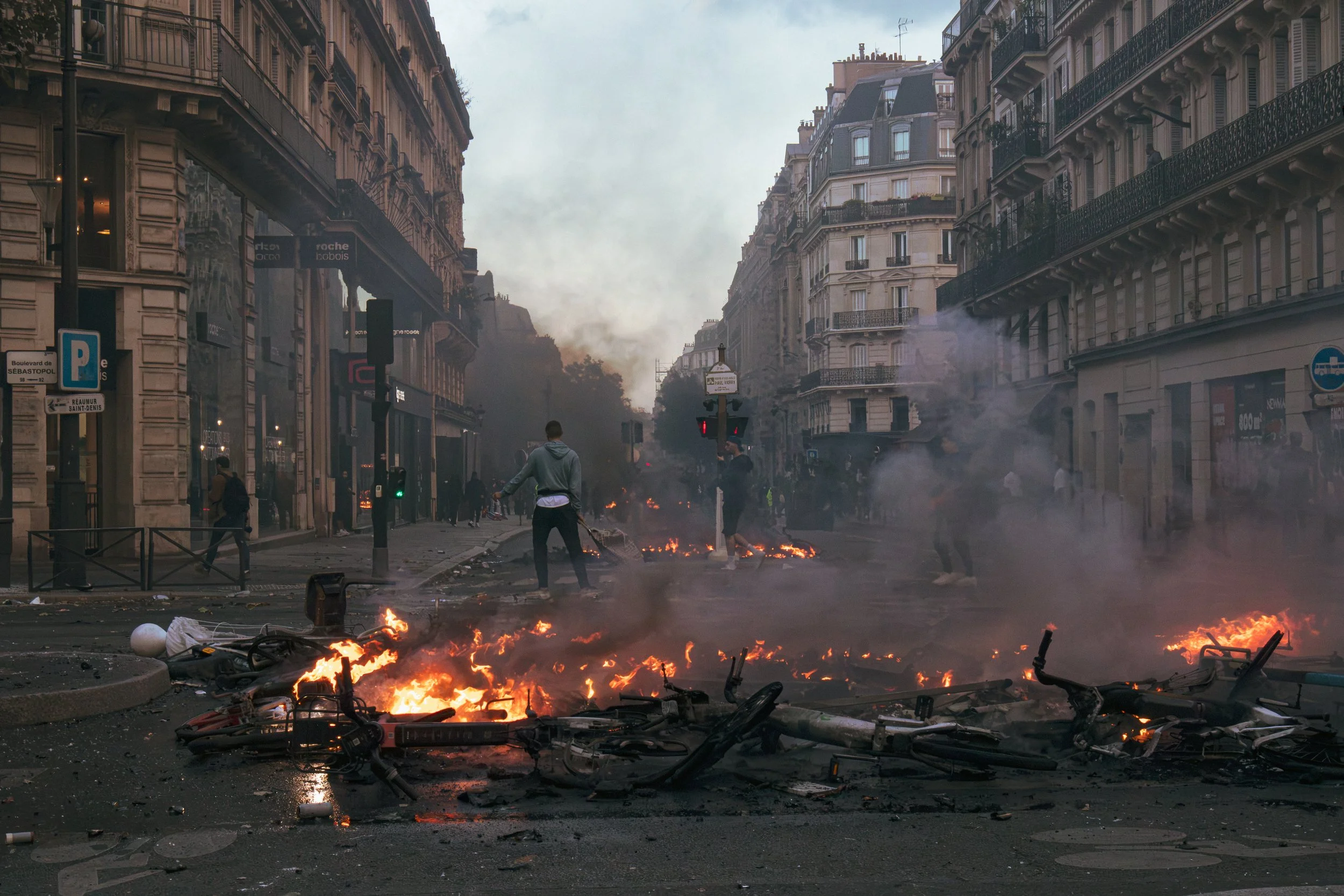
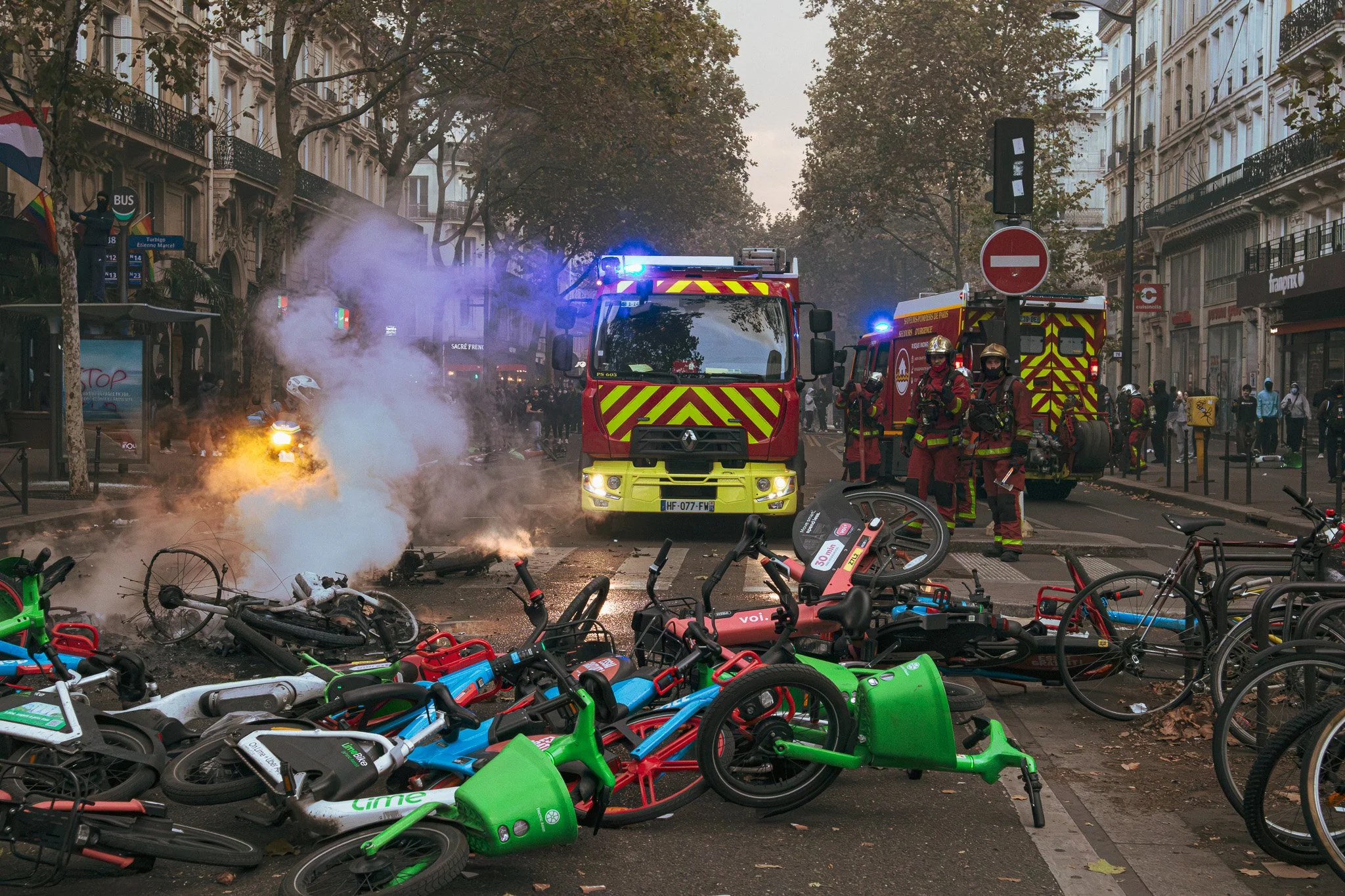
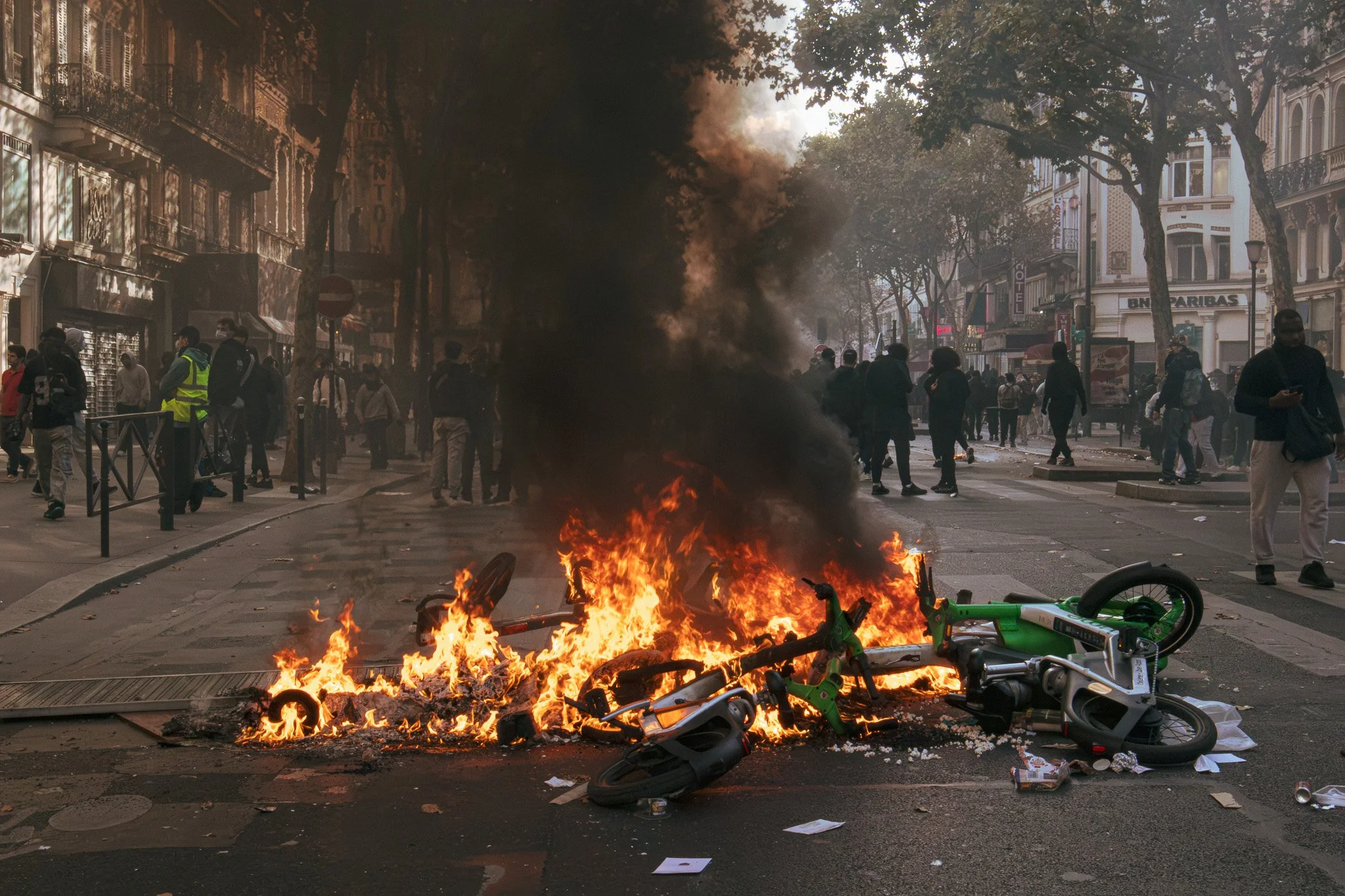
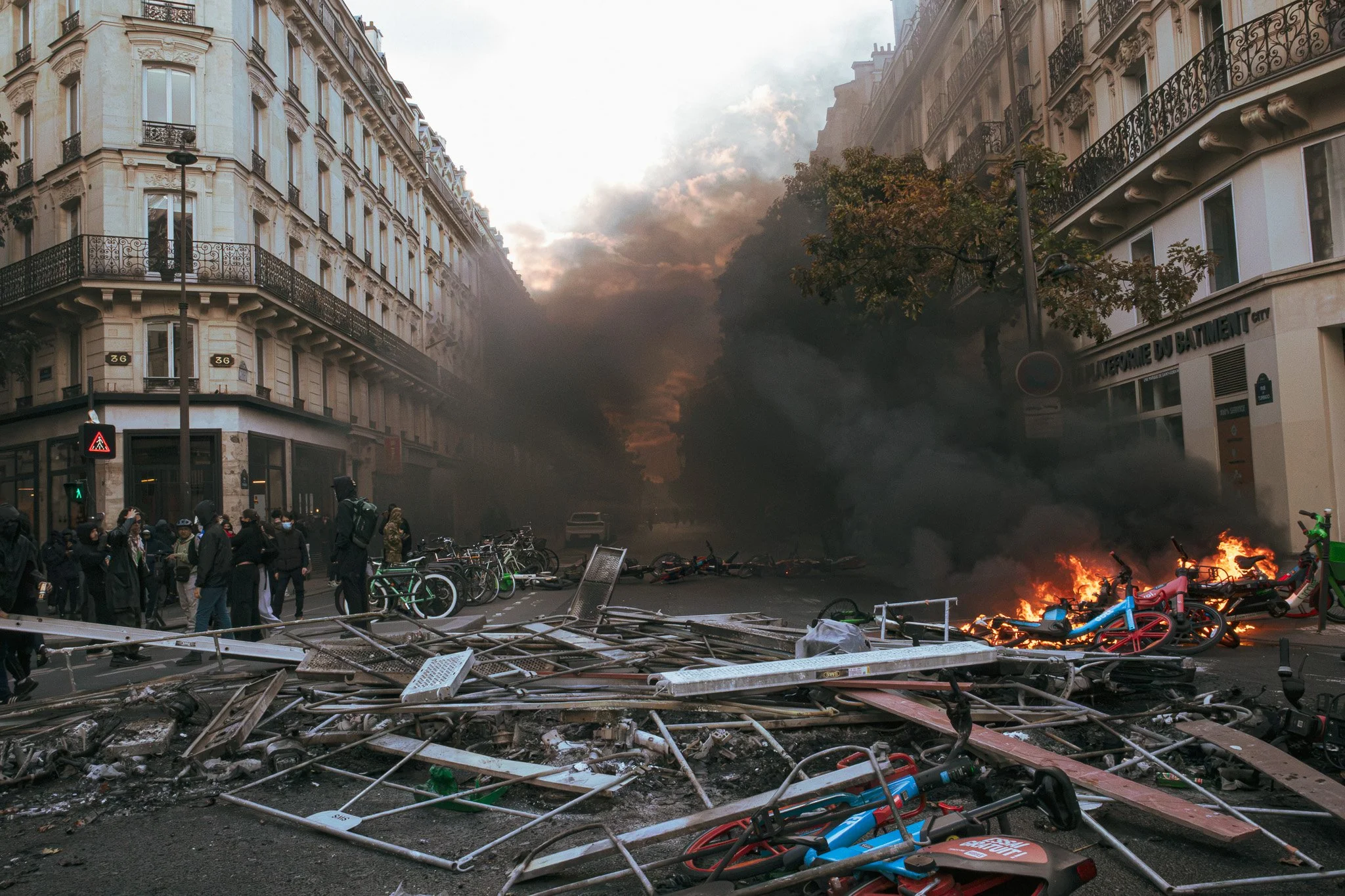
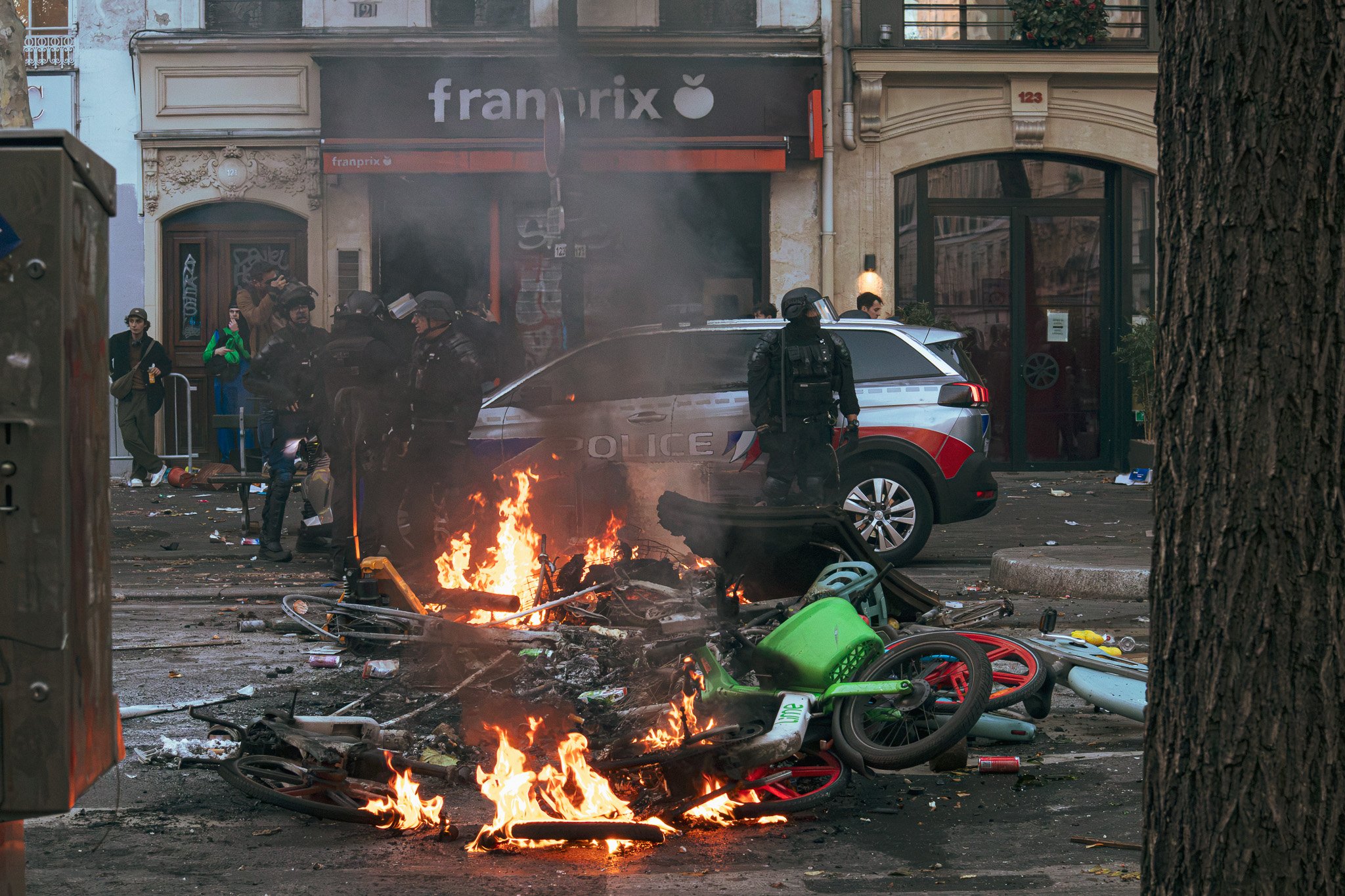
Across Paris, peaceful demonstrations unfolded alongside barricades, fires, property damage and confrontations with police. The scale of the mobilisation, and the tensions surrounding it, reflected the distance between public institutions and those demanding to be heard.
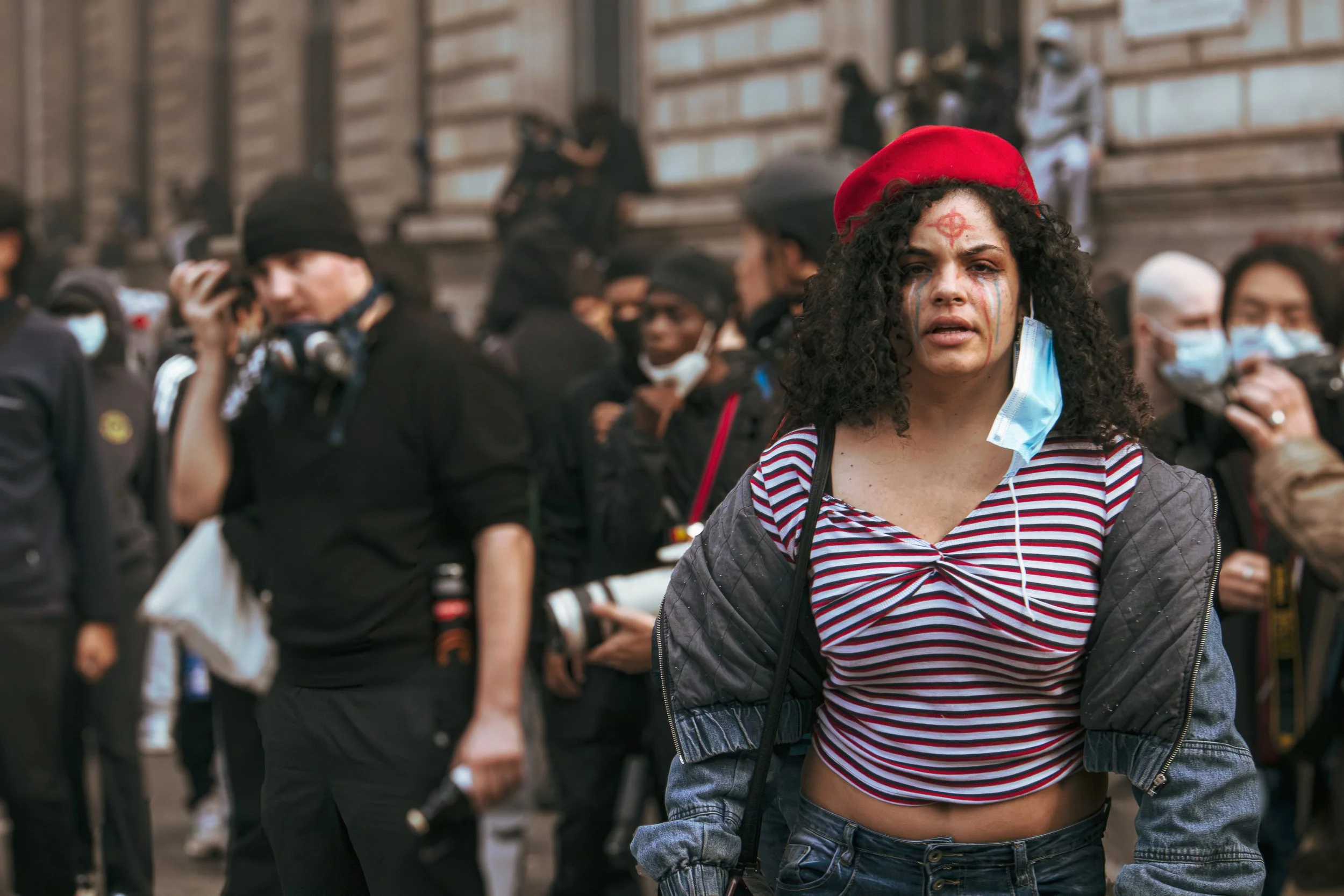
Through these photographs, October 17 emerges as more than a day of protest. It is a moment where social demands, political dissent and historical memory intersect in the streets of the French capital.